World History
How Britain Saved the Pound After Losing Its Empire
There's a moment in economic history that doesn't get discussed enough — not in classrooms, not in podcasts, and certainly not over coffee. It's the story of how Britain, after watching its empire dissolve piece by piece across the mid-20th century, somehow kept its currency alive, relevant, and surprisingly resilient. I've spent years reading about this period, talking to economists, and watching similar patterns play out in other countries. And honestly? The British story is one of the most fascinating financial survival acts I've ever come across.
By JAMES NECK 3 days ago in History
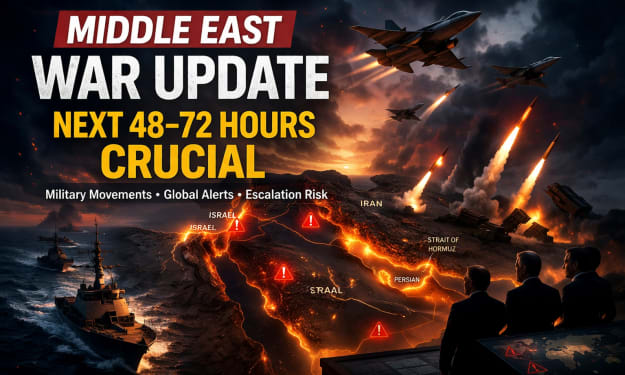
Middle East War: Next Phase Incoming
Middle East War Update: A Dangerous New Phase May Be Approaching The Middle East is once again moving toward a tense and uncertain moment as new developments suggest that the next phase of conflict may be approaching. Military movements, diplomatic warnings, and increased security alerts across several countries have created growing concern among global leaders and analysts. While no official declaration of war has been made, the situation appears to be evolving rapidly, and the coming days may prove critical for regional and global stability.
By Wings of Time 3 days ago in History
The World’s BIGGEST Airplane & Its Crazy Transport Network
The Giant's Journey: How Airbus Transports the World's Largest Planes Airbus is a European powerhouse, producing nearly three aircraft every single day. But there is a massive catch: the parts for these planes are manufactured in different countries—wings in the UK, tails in Germany and Spain, and fuselage sections in France. Bringing them all to the final assembly line in Toulouse, France, is one of the most complex transport puzzles in the world.
By Imran Ali Shah4 days ago in History
“Alone in the Death Zone”
The silent tragedy of David Sharp on the slopes of Mount Everest High above the world, where the air becomes too thin to breathe and the sky turns a darker shade of silence, lies a place climbers fear most—the Death Zone. It begins above 8,000 meters on Mount Everest, where even the strongest bodies start to shut down, and every step feels like a negotiation with fate.
By imtiazalam4 days ago in History
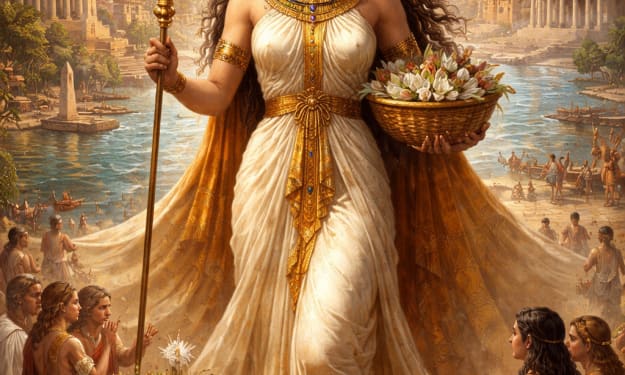
How Isis Conquered the Ancient World
In the ancient world, few deities achieved the level of devotion and international influence as Isis, the great goddess of ancient Egypt. Originally worshipped along the fertile banks of the Nile, Isis evolved from a local deity into a global spiritual figure whose influence stretched across continents—from Egypt to Greece, Rome, and even as far as Roman Britain.
By Irshad Abbasi 4 days ago in History
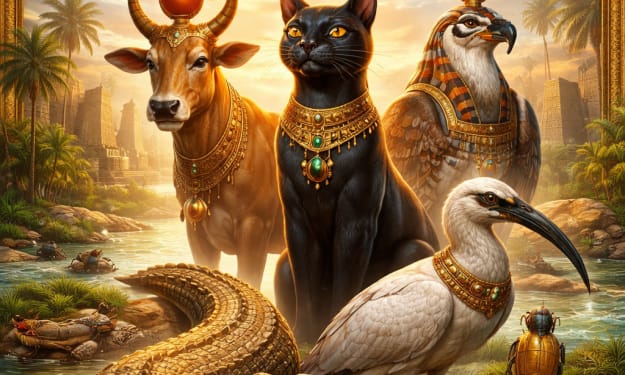
Animal Worship in Ancient Egypt
Ancient Egyptian civilization is often remembered for its monumental pyramids, intricate hieroglyphs, and powerful pharaohs. Yet one of its most fascinating aspects lies in its deep reverence for animals. From cats and cows to crocodiles and ibises, animals were not merely part of daily life—they were seen as living manifestations of divine forces. This unique blend of religion and nature shaped Egyptian culture for thousands of years.
By Irshad Abbasi 4 days ago in History
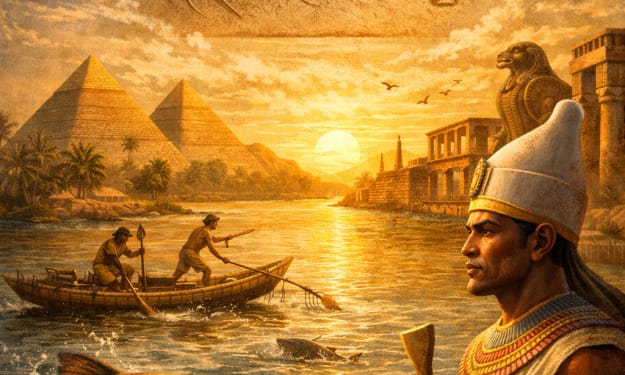
Why Egypt’s First Pharaohs Revered the Humble Catfish
Long before pyramids pierced the desert skyline and monumental temples defined the banks of the Nile, ancient Egypt’s earliest rulers were forming a culture deeply rooted in nature. Among the many creatures that thrived in the life-giving waters of the Nile River, one stood out in both practical and spiritual life: the catfish. To modern readers, the idea of powerful pharaohs revering such a modest creature might seem unusual. Yet for Egypt’s first rulers, the catfish was far more than a source of food—it was a symbol of power, survival, and divine connection.
By Irshad Abbasi 4 days ago in History
How One Young Pharaoh Changed Egypt Forever
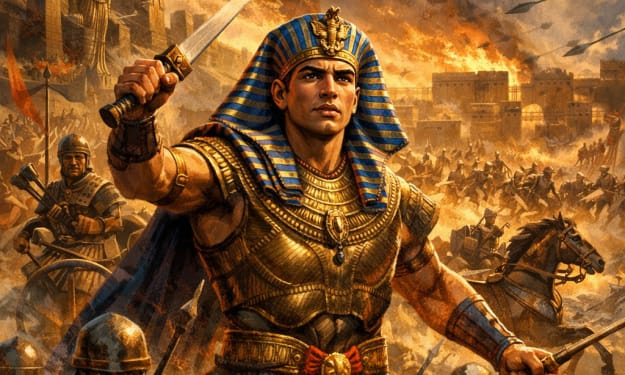
History often turns on moments that seem, at first glance, like just another clash of armies. But every so often, a single battle—shaped by the ambition of one leader—reshapes the destiny of an entire civilization. Such was the case in ancient Egypt, when a young and determined pharaoh led his forces into a confrontation that would elevate his kingdom into one of the greatest powers of the ancient world.
By Irshad Abbasi 4 days ago in History
Power, Politics, and the Last Queen of Egypt
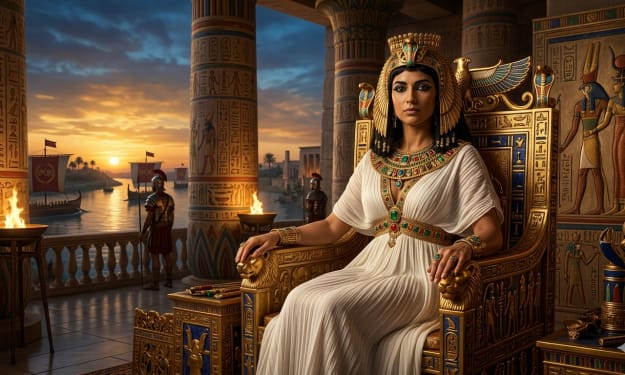
Cleopatra VII Philopator, often simply known as Cleopatra, is one of the most famous women in history. Yet, much of what people think they know about her comes from myths, legends, and dramatic portrayals in films and literature. The real Cleopatra was far more complex than the seductive queen often depicted in popular culture. She was a highly educated, politically astute ruler who fought to preserve the independence of her kingdom at a time when Egypt stood on the brink of becoming a Roman province.
By Irshad Abbasi 4 days ago in History
The Mystery Behind Egypt’s Newly Discovered Royal Tomb
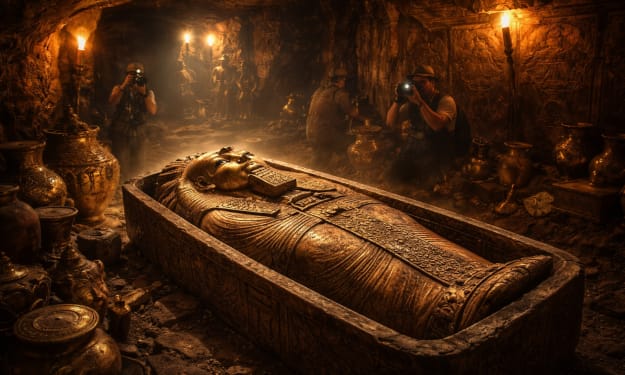
In the arid sands of Egypt, where countless secrets of the ancient world still lie buried, archaeologists have once again made a remarkable discovery: a previously unknown royal tomb. The find has sparked excitement across the global archaeological community, yet it has also raised one pressing question—who does this tomb belong to?
By Irshad Abbasi 4 days ago in History
Ramesses II
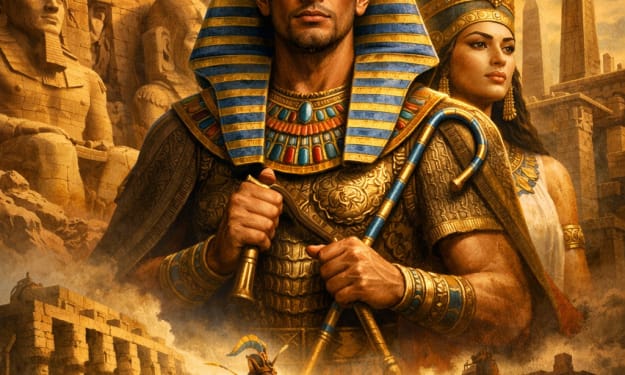
Ramesses II, often known as Ramesses the Great, was one of the most powerful and celebrated rulers of ancient Egypt. He reigned for an extraordinary 66 years, from 1279 to 1213 BCE, during the height of the New Kingdom. His long reign, military achievements, and monumental building projects earned him a place among the most iconic figures in human history.
By Irshad Abbasi 4 days ago in History
The Emperor Who Transformed Rome
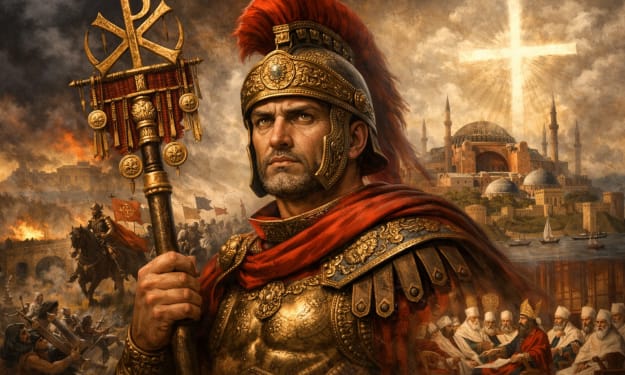
Constantine the Great, also known as Flavius Valerius Constantinus, stands as one of the most influential figures in world history. Born around 272 CE in the Roman province of Moesia (modern-day Serbia), Constantine rose from a turbulent political landscape to become the first Roman emperor to embrace Christianity. His reign marked a turning point not only for the Roman Empire but also for the future of European civilization.
By Irshad Abbasi 4 days ago in History