habitat
The natural home and environment for all things sci fi, including future homes and territories.
You Are the Bee's Knees
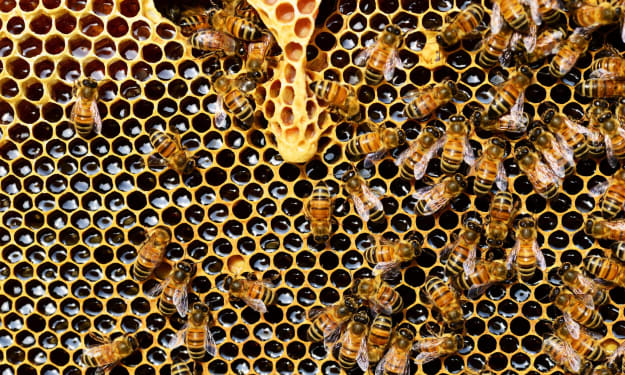
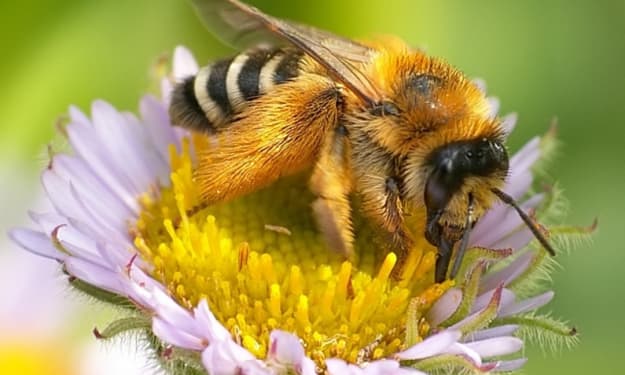
Hello and welcome! Today we're going to talk about Bees, honey bees in particular. So what's all the buzz about? Did you know that bees are responsible for almost all of the food and vegetation you and I consume? That's incredible, right? I love food, I need food, i'm certain that you do as well. Unfortunately, bees are on the down-slope to extinction. Bees are one of the most effective pollinators in the world. To make it quick and to the point,
By Trevor Feely7 years ago in Futurism
Celebrating Life: the Challenge to Preserve and Sustain a Balanced Ecology
“In the end, we destroyed the heaven that was called earth. The earth had been beautiful until our spirit moved over it and destroyed all things.” These lines came from Bernard Backmann’s work entitled, “Reverse Creation.” It tells us that we humans are the cause why the world fades and is gradually changing. We now sit on the brink of environmental catastrophe and the damages we’ve inflicted upon our precious Earth have become almost irreversible. Inevitably, we as a culture will find a way for its sustainability but at what cost?
By James Robison7 years ago in Futurism
Why We Need to Change
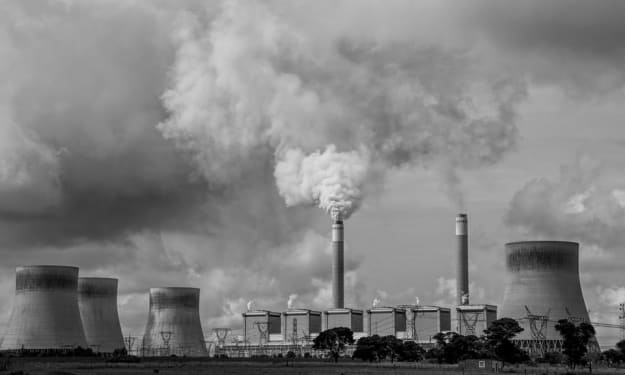
Global Warming, we hear so much about it in modern politics and news, how the earth is getting warmer and warmer by the day, how the sea levels are rising, and how animals are dying. But I feel we are still not talking about it enough. The Earth is a gift, but it is not ours to destroy. By destroying it, like we are at this very moment, we are possibly taking away the future lives of billions, even trillions of humans.
By Aron Frishberg7 years ago in Futurism
Easy Ways to Save Money and the Environment
In order to avoid spending money unnecessarily, you should reduce the amount of television you watch. Reducing the amount of television you watch saves you money, because you use less electricity at home, and you are also less exposed to advertisements that show items that you feel like buying, but that you do not really need. As a result, you would lower your stress, as you would not be as worried about money later on.
By Paisley Hansen7 years ago in Futurism
Sustainability: Our Future
In light of the recent Australian federal election, many of the Australian youth are left thinking to themselves: is it even worth it when the privileged refuse to listen to the current global climate emergency? Leaving many with a strong sense of uncertainty towards their own future. Perhaps a wake up call to take things into our own hands? Away from a cloud of vested interest and unprecedented bias? With the topic of environmental sustainability quickly becoming a political issue.
By James Jamithon7 years ago in Futurism
Why Are Bees So Important to Our Planet?
The job of the bees There are around 25,000 different species of bees on Earth. Bees are essential pollinators to our planet and play a very important part in our everyday life. Without them, we will not be able to survive. They help us by pollinating flowers and with crop growth, which is extremely vital for the survival of agriculture, as well as our population; simply put, if bees have food, we get food. Bees affect crop productions, increasing outputs of most of the food leading food goods worldwide alongside with many plant-derived medicines and skincare products based on honey that the bees produce. Knowing that these creatures have such power and that humans are dependent on them is incredibly fascinating yet so scary.
By Vanessa Kaszyk7 years ago in Futurism
Please Start Helping the Bees
In the past 15 years, the bee population has declined eighty-seven percent. Habitat loss rates are at an all-time low, mainly because of deforestation and excessive use of pesticides. Bees pollinate eighty percent of the flowers and seventy percent of food-producing plants in the United States. They keep our ecosystem running and plants growing, if we do not start creating an environment that bees will be able to thrive in now before we know it, there will be no bees left in the United States to pollinate our plants. Bees do not typically fly to new continents especially one surrounded almost completely by water, so we would need to have another country send us bees or go to another country and bring bees back, which is not very good for their health and would limit their ability to pollinate and reproduce when they actually arrive in America. If we would have to transport bees here it would still take a very long time to get them back to the population amount they were at before. We can start this journey to bring back a substantial amount of bees by planting insectary gardens, using smaller amounts of pesticides, and understanding what could happen to agriculture in the future if we do not help this cause right now.
By Kamari Grace7 years ago in Futurism
Is Plastic-Free Living Possible?
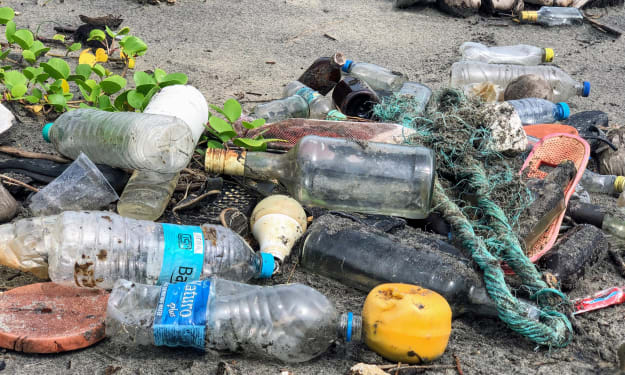
In the past week, I have been thinking a lot about the environment. I mean I have been very concerned for a long time, but now that it is summer and has been getting warmer, I've been outside a lot. I have been walking my dog every evening and I noticed how much litter there is on the sides of the road, the majority being plastic. It has been making me really sad. It is already bad enough that there are tons and tons of plastic being thrown in landfills every day, but to see it on the sides of the road is even worse. I live in a very small town, so we should not have this much litter. I have started to take a trash bag on my walks to collect the trash that I find and try to recycle all that I can, although I recently learned that it takes a lot (!!) of energy to recycle plastic. We are starting to progress in finding new, more efficient ways to recycle plastic, but we are nowhere near where we should be.
By Kamari Grace7 years ago in Futurism
50 Small Things You Can Do to Save the Turtles (and the Planet)
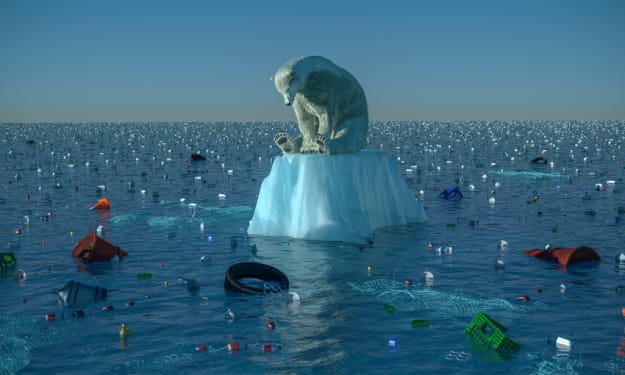
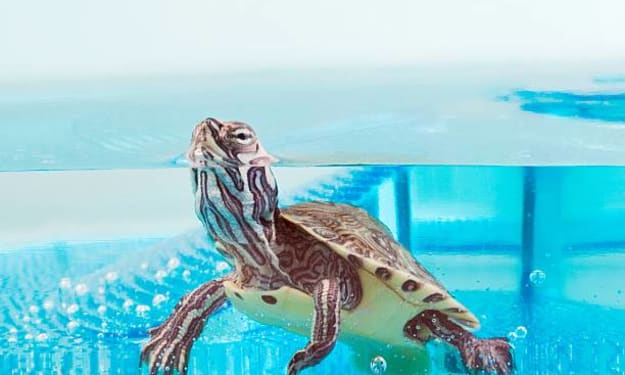
The media has been recently flooded with campaigns and adverts all aimed towards reducing our waste and plastic consumption, and rightly so. With plastic production at its peak, millions of tonnes of single-use plastic items are being created and dumped. This is causing species numbers to decline, with turtles choking on plastic bags, dolphins dying from plastic rings, and many animals consuming the harmful products that end up in the ocean.
By Paige Roden7 years ago in Futurism