
Is This Ongoing Conflict the Start of World War III?
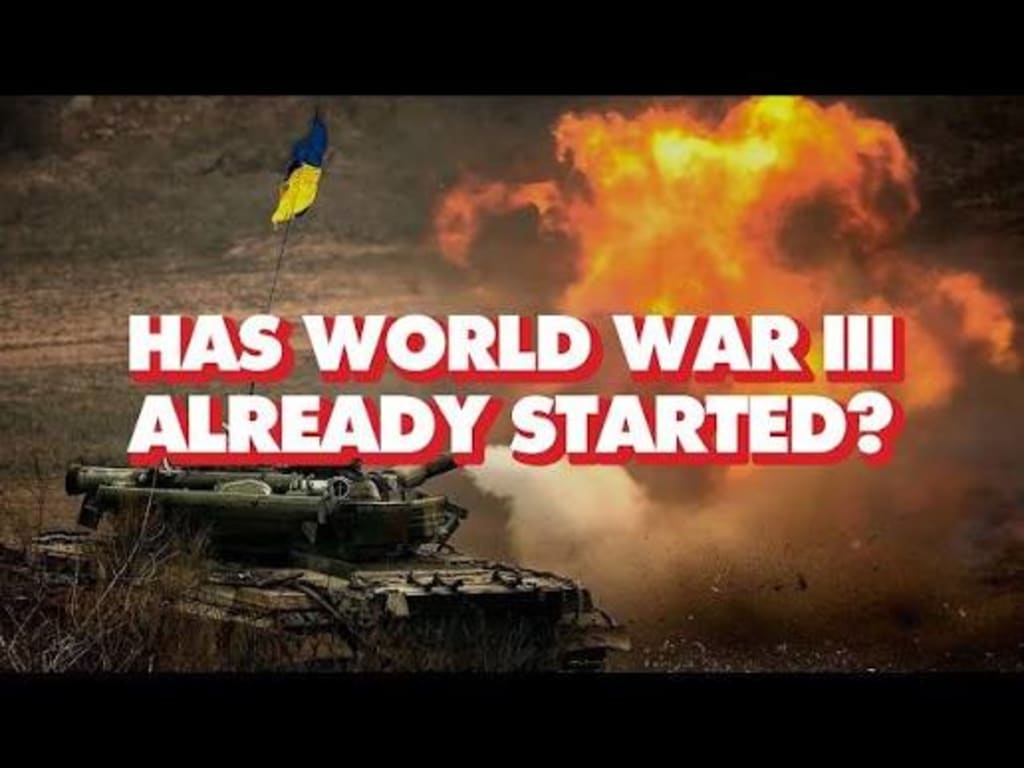
World War 3

Introduction
In recent years, the world has witnessed a sharp rise in geopolitical tensions, regional wars, and military escalations. From conflicts in the Middle East to tensions between global superpowers, many people are asking a serious and unsettling question: Are we on the brink of World War III? While the situation is complex, understanding the nature of modern conflicts can help separate fear from reality.
The Current Global Landscape
Today’s conflicts are not limited to one region. Ongoing tensions between powerful nations, proxy wars, cyber warfare, and economic rivalries have created a fragile global environment. Unlike the clearly defined alliances of past world wars, modern conflicts involve shifting partnerships and indirect confrontations.
In places like Eastern Europe and the Middle East, military operations and political disputes continue to escalate. Meanwhile, rising competition between major powers in technology, trade, and military strength adds another layer of uncertainty.
- What Defines a World War?
- A “world war” typically involves:
- Multiple major powers directly engaged in large-scale combat
- Battles fought across several continents
- Massive military mobilization and civilian impact
So far, despite serious conflicts, the world has not reached this level of direct global confrontation. Most current wars remain regional or involve limited international participation.
The Role of Nuclear Weapons
One major factor preventing a full-scale world war is nuclear deterrence. Countries with nuclear weapons understand that a direct conflict could lead to catastrophic destruction on a global scale. This has created a situation where nations often avoid direct war and instead engage in indirect or “proxy” conflicts.
While this reduces the chances of global war, it also keeps tensions constantly high, as even a small mistake could lead to serious consequences.
The Importance of Global Cooperation
Another crucial factor in preventing a third world war is the growing interdependence between nations. Global trade, international institutions, and economic partnerships make large-scale war far more costly than ever before. Countries rely on each other for resources, technology, and financial stability, which creates strong incentives to avoid direct conflict. Even rival nations often maintain economic ties, acting as a stabilizing force during times of tension. Additionally, global organizations like the United Nations continue to promote dialogue, peacekeeping missions, and conflict resolution. While challenges remain, this interconnected world provides hope that cooperation, rather than confrontation, will shape the fut
Media and Public Perception
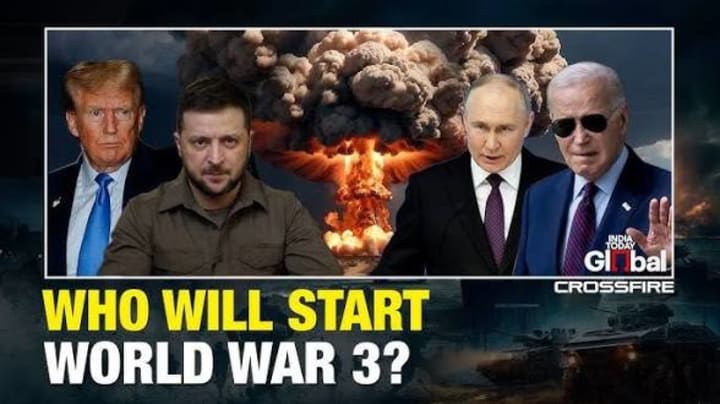
The role of media and social platforms cannot be ignored. With instant news updates and viral content, every military move or political statement spreads rapidly, often increasing fear and speculation.
Headlines sometimes exaggerate the risk of global war, making it seem more imminent than it actually is. This can lead to public anxiety, even when governments are actively working to prevent escalation.
Diplomacy Still Matters
Despite rising tensions, diplomacy remains a powerful tool. International organizations, peace talks, and negotiations continue to play a key role in preventing conflicts from expanding.
History shows that even during the Cold War—one of the most tense periods in modern history—global leaders managed to avoid direct large-scale war through dialogue and strategic restraint.
- Warning Signs vs Reality
- There are certainly warning signs that should not be ignored:
- Increasing military spending worldwide
- Formation of new alliances
- Frequent regional conflicts
However, these signs do not automatically mean a world war is inevitable. They highlight the need for caution, cooperation, and responsible leadership.
Conclusion
While current global tensions are serious and concerning, it is still too early to label them as the beginning of World War III. The world today is more interconnected than ever, and the cost of global war is far too high for any nation to ignore.
Instead of an immediate global war, we are witnessing a period of instability and strategic competition. The future will depend largely on diplomacy, international cooperation, and the ability of world leaders to manage conflicts responsibly.
About the Creator
shaoor afridi
“I am a passionate writer dedicated to sharing informative, engaging, and well-researched articles. My goal is to provide valuable content that educates, inspires, and adds real value to readers.”
Keep reading
More stories from shaoor afridi and writers in The Swamp and other communities.
Kuwait Airport Hit by Iranian Drone Strikes
Reports claim that Kuwait International Airport was targeted by Iranian drone strikes, raising serious regional security concerns. Authorities are assessing damage and ensuring passenger safety. The incident highlights escalating tensions in the Middle East, with fears of wider conflict growing as international leaders call for restraint and diplomatic solutions.
By shaoor afridi2 days ago in The Swamp
The Forsyth House Fire
Since 1851, Forsyth House has stood on the corner of Union Street and Gordon Street in the heart of Glasgow. Its iconic, or was... because on Sunday 8th of March, 2026, a fire broke out in a small, seemingly un-named shop in the building and tore all that history down. As I write, the rubble is still unsettled and the street is still blocked off. Central Station is quiet on the upper level, and around 30 small businesses have quite literally gone up in smoke.
By S. A. Crawford18 days ago in The Swamp
Vlad The Invader's Shadow Fleets.
Starmer has cleared the way for the Royal Navy to board Russian 'shadow fleets'. So what are shadow fleets? Shadow fleets are ships that use deception in various ways to get past ships patrolling that will interdict them, board them, and check that they are not carrying. anything that will help Putin's war with Zelenskyy. Recently, a ship from Venezuela (if I have this correct), before Maduro, was whisked from that country to the US to face trial, and reflagged itself flying the Russian colours. The fugitive ship, which had failed to collect Venezuelan oil from the under-siege Maduro regime, was hoping to race across the Atlantic and outrun its American pursuers. The ship had arranged to meet Russian ships to protect it. But the US ships caught up with it and, together with UK forces, boarded the ship.
By Nicholas Bishop4 days ago in The Swamp



Comments
There are no comments for this story
Be the first to respond and start the conversation.