
Continued: Trauma and its Effect on the Brain
Beyond Fight, Flight and Freeze States…


My name's Lizzy and I'm a trauma survivor. I write to spread awareness of what it feels like to live after traumatic events and abuse.
I know because I'm living this life. A life after enduring more than a human being should be able to survive.
The five F's of Trauma Reactions
(No, I'm not writing about the swear word here.)
When a person is exposed to trauma through either threats or dangerous situations, the body releases stress hormones that make physiological changes to protect us.
These changes keep us alert so that we can react to a traumatic situation.
Yesterday, I wrote about the fight / flight and freeze states because those are the three most common ways of responding to traumatic events. I touched on emotional shut down too but I didn't label it.
We've all seen the anger, the inconsolable sadness and the shut down in people. These behaviors are sadly part of our every day lives. I see it in the food market, the mall, the park and in school.
Trauma is part of our community, our towns and cities and our world whether we like it or not. Many of us are still suffering from events that happened years ago like hurricane Katrina, and more recently Helene.
When you are in danger, your body chooses how you react best to keep you alive in that moment. It's instinctive like a survival mechanism.
Do you choose fight, flight, freeze, fawn or flop when you face danger?
A quick recap on the three F's from yesterday's article:
Fight State is when you choose to confront whatever is happening to you or around you.
Flight State - Is when you choose to escape to run away from the threat or situation.
Freeze State - Is when you feel paralyzed / frozen and unable to respond in any way.
The Fawn and Flop Reactions to Traumatic Events
There are two more ways that a person can react in response to traumatic events. They are Fawn and Flop states.
The Fawn State
This state is when a person submits to the danger. They become people-pleasing and appeasing their abusers to the detriment of their own needs.
Some traits of fawning include:
Neglecting your personal needs and boundaries
Complimenting excessively, even if it is not authentic
Can't say "no" and grants every wish and demand of others.
Being a people pleaser
Having no sense of personal identity
Hypervigilance and awareness of others moods and emotions
Neglecting or not knowing your own emotions and feelings
Turns to others to know how the feel or "should" feel
Makes themselves a servant to others like being as helpful and useful as possible
Feeling guilty when not being helpful
The Flop State
This is the state that not many professionals have heard of. I know it well because I used this response when I was very young and I still remember it decades later because of how I felt.
The flop state is the most extreme reaction to traumatic events. It can happen because you are being violently attacked like a child being physically or sexually abused. It can also happen to torture victims when the pain is so severe that you "tune out."
The Flop state is an involuntary, instinctual reaction to overwhelming terror where the body shuts down, causing physical collapse, fainting, or total mental unresponsiveness.
Some traits of the Flop state include:
Total body collapse
Playing Dead
Mental and physical unawareness - when the traumatized person dissociates and becomes disengaged, disoriented and emotionally turned off.
Loss of body control - You're intensely scared and lose control of your bodily functions.
So, what happens inside the brain to cause these physiological reactions to a person?
The role of Cortisol
There's so much more that happens inside a trauma brain to cause the Fight / Flight/ Freeze / Fawn and Flop states.
When an individual is traumatized, and I mean scared to death, we produce a stress hormone called, Cortisol.
Cortisol is a steroid hormone(nick named the stress hormone) that is produced in the adrenal glands just above the kidneys. The function of Cortisol is to regulate stress in our bodies, but it has other jobs too.
Cortisol regulates how your body uses Glucose (sugar) for energy. It regulates your blood pressure and reduces inflammation in the body. Cortisol also helps control your sleep and awake rhythm.
The human body needs Cortisol to regulate and keep us going.
Increased Cortisol Levels wreck havoc in the brain and body
When our Cortisol levels are either too high or too low, we start to feel unwell.
High levels of Cortisol can develop into high blood pressure, high blood sugar, and make us gain weight around the stomach and face. We can also notice muscle weakness in our arms and legs.
Low levels of Cortisol can cause extreme fatigue, weight loss and no appetite as well as low blood pressure.
Increased levels of Cortisol is fine for short periods to get our bodies ready for action, but in a trauma brain, Cortisol levels stay high. This is because your body releases more Cortisol as a response to stress in harmful situations:
Acute Stress - Short term stress like an accident.
Chronic Stress - Long term stress from a demanding job, dysfunctional family life, living in poverty and having a chronic illness.
Traumatic Stress - Situations that are exceptionally threatening, dangerous and sometimes catastrophic.
Delving deeper into Traumatic Stress
Traumatic stress is what causes high levels of Cortisol in the body, and because this type of stress doesn't go away, the body keeps producing the hormone.
Traumatic Stress comes from:
Direct exposure to a horrific situation or event like abuse or torture.
Witnessing people or someone being abused or tortured.
Indirect exposure - Learning of a loved one being abused or tortured.
Occupation - Professions like serving in the Navy / Army / Coast Guard, Police and fire fighters seeing or being assaulted in war and conflicts. Doctors and body guards handling crisis situations.
Seeing a traumatic event on social media like YouTube doesn't cause the type of stress I'm describing, unless a person works in these situations.
Living with Chronic stress can have a big impact on your life through your overall health, your sleep patterns and your mood.
What can you do to reduce your Cortisol levels if you have been exposed to traumatic stress?
The first and best way to reduce Cortisol is to get good sleep. I mean quality sleep without nightmares and waking up every five minutes. That's not easy for someone who is affected by traumatic stress.
Exercising and moving your body is another way to remove Cortisol or any excess hormones from the body.
Breath work through deep breathing and yoga can greatly help someone who is feeling stressed.
Socialize with friends and family who make you feel good. Go out and enjoy yourself and laugh deep belly laughs.
Distance yourself from those who don't make you happy.
I've lived through trauma and come out the other side. This is what it feels like to live with trauma for years and sometimes decades after the events. Now, you will recognize these traits and behaviors in your world.
My name is Lizzy. I'm a trauma survivor, a wife, a mom, a teacher, and an author.
If you like reading my posts, then please follow me.
For more about me: www.elizabethwoodsauthor.com
Support your fellow writer:
https://ko-fi.com/elizabe69245484
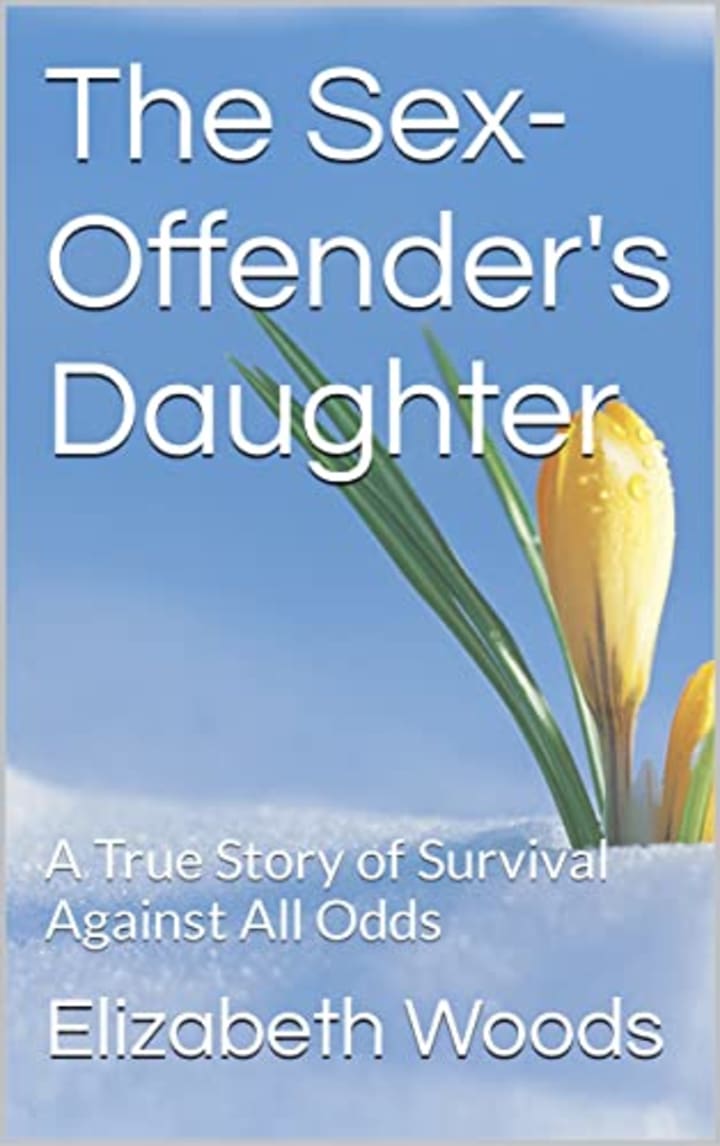
https://www.amazon.com/Sex-Offenders-Daughter-Story-Survival-Against-ebook/dp/B0BBSV97VF
About the Creator
Elizabeth Woods
My name is Lizzy and I'm a mom, an author, school teacher and an MFA creative writing graduate. I write emotion-filled fiction narratives and mental health articles. This is my website: www.elizabethwoodsauthor.com
Keep reading
More stories from Elizabeth Woods and writers in Psyche and other communities.
Thirty (one) and Neither Flirty nor Thriving.
I'm thirty-one and orbiting the same few mistakes like they're landmarks. London is already awake before I am (or before I've slept) - sirens somewhere far enough to ignore, buses sighing at stops, people moving with purpose I can't quite borrow. I lie there for a bit, tasting last night at the back of my throat, trying to remember if I meant to drink that much or if it just...happened again.
By Stacey Vella6 days ago in Psyche




Comments
There are no comments for this story
Be the first to respond and start the conversation.