
What Does Remy Human Hair Mean?
The Label Everyone Sees but Few Really Understand

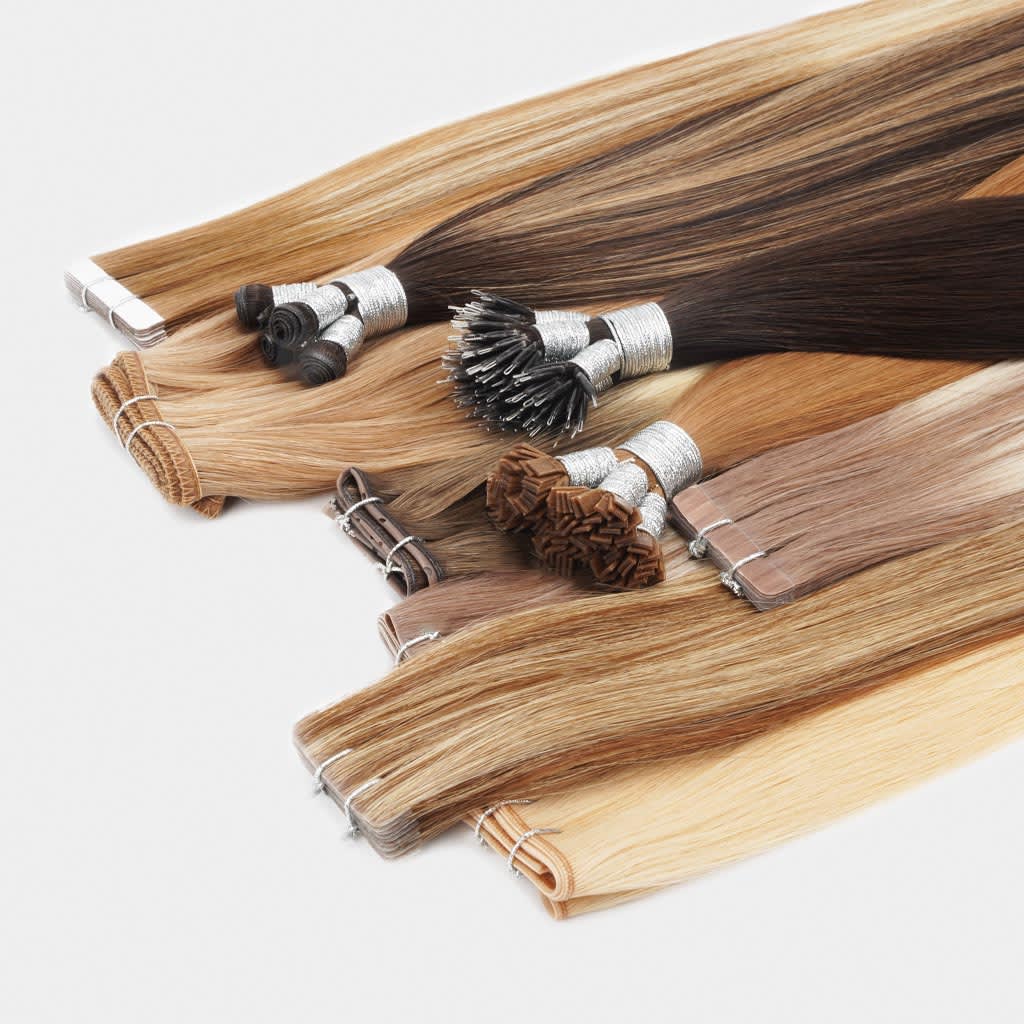
What Does Remy Human Hair Mean? The Label Everyone Sees but Few Really Understand
If you’ve ever shopped for wigs, toppers, or extensions, you’ve probably seen the phrase Remy human hair everywhere.
It sounds premium. It sounds expensive. It sounds like something you’re supposed to want.
But what does it actually mean?
The answer is simpler than most product pages make it seem. Remy human hair refers to real human hair whose cuticles are still intact and aligned in the same direction from root to tip. That single detail is what gives Remy hair its reputation for looking smoother, feeling softer, and tangling far less than lower-grade alternatives.
And once you understand that, a lot of the hair industry suddenly makes more sense.
It’s Not Just “Human Hair”
One of the biggest misconceptions in beauty shopping is that all human hair is basically the same.
It isn’t.
“Human hair” only tells you the hair came from a person. It does not automatically tell you how it was collected, how much of its natural structure is still preserved, or how well it will behave after washing, styling, and daily wear. Remy hair stands out because the hair strands are kept organized in the same direction, which helps preserve the outer layer of the hair shaft and maintain a more natural finish over time.
That’s why two products can both say “100% human hair” and still perform very differently.
One may stay sleek for months. The other may start to knot, dry out, or lose that soft feel far sooner.
Why Cuticle Direction Matters So Much
Hair cuticles are the outer protective layer of each strand. When they all face the same direction, the strands glide against each other more smoothly. When they don’t, the hair creates more friction, which leads to tangling, matting, and that rough texture many buyers regret after a few wears.
That is the real value of Remy hair.
It isn’t luxury just for the sake of luxury. It’s structure.
It’s the difference between hair that still feels wearable after repeated styling and hair that looked good only on day one.
This is also why Remy hair is widely treated as the gold standard for higher-end wigs and extensions. Because the natural cuticle is preserved, the hair usually keeps more of its softness, shine, and movement instead of relying on temporary coatings to fake that effect.
So What About Non-Remy Hair?
Non-Remy hair is also real human hair, but it is usually collected in a less controlled way, often from mixed sources. That means the strands may not all run in the same direction. To make this hair look smoother, manufacturers often process it heavily and may add silicone coatings to create shine at first. The problem is that this finish can wash away, revealing hair that tangles more easily and tends to have a shorter usable life.
This is why some lower-priced human hair pieces can feel surprisingly decent when they first arrive, then become difficult after a short period of wear.
They were never built to age gracefully.
Is Remy Hair the Same as Virgin Hair?
Not exactly.
These two terms are often used together, which is why people confuse them.
Remy describes how the hair is collected and arranged.
Virgin hair means the hair has not been chemically processed, such as dyed, permed, or bleached. A product can be Remy without being virgin, and virgin without meeting the highest Remy standards, though premium products often combine both qualities.
So if you ever see the phrase Virgin Remy hair, that usually signals a very high-end category.
Not because the wording sounds fancy, but because it suggests both preserved cuticles and minimal chemical processing.
Why Buyers Choose Remy Hair
For most people, the appeal comes down to one thing: it behaves more like natural hair.
Remy hair is usually easier to wash, style, and wear for longer periods. It tends to hold up better with heat styling, daily brushing, and routine maintenance than lower-grade human hair. With proper care, many Remy products can remain wearable for many months, and in some cases around a year or longer depending on construction, usage, and care habits.
That makes it especially popular in:
premium wigs for regular wear
hair toppers that need to blend naturally
long-term extensions like tape-ins, clip-ins, and weaves
custom styling situations where softness and movement matter
What people are really paying for is not just appearance, but consistency.
Hair that still looks believable after real life happens to it.
Where Newtimes Hair Fits Into the Conversation
Understanding Remy hair in theory is useful. Seeing how brands apply it in actual products is even more helpful.
Newtimes Hair is one of the brands that leans heavily on Remy hair across multiple categories, including wigs, toppers, extensions, and men’s hair systems. On its site, the brand describes its women’s pieces as being made from high-quality human hair, and in several extension and topper listings it specifically highlights Remy hair, full-cuticle hair, and single-donor sourcing as quality markers.
That matters because it shows how the word Remy is used in the real market. It is not just a vague beauty buzzword. In Newtimes Hair’s own product language, Remy hair is tied to the things buyers actually care about: fewer tangles, longer wear, a softer feel, more natural movement, and better consistency in texture. The brand also positions some of its premium toppers and wigs around Mongolian or Chinese Remy hair, with features like hand-tied construction, breathable bases, and options designed for everyday wear or thinning hair.
For readers trying to make sense of shopping labels, Newtimes Hair is a useful example because it reflects a broader industry pattern. When a brand wants to signal a step up from basic human hair, it often starts talking about cuticle alignment, donor consistency, and whether the hair is Remy or even Virgin Remy. Newtimes Hair does exactly that in its educational and product content, which makes it a practical reference point for understanding how premium hair is marketed and why higher-grade pieces usually cost more.
So if you come across a Newtimes Hair topper, wig, or extension labeled as Remy, the key question is not just whether it sounds premium. The real question is whether the product preserves the qualities that make Remy hair worth buying in the first place: aligned cuticles, smoother texture, better wear, and a more natural look over time. That is what separates a smart purchase from a label that only sounds impressive.
The Part No One Mentions Enough
Remy hair is better, but it is not magic.
It still needs care.
Even high-quality hair can dry out if it’s overwashed, overheated, or handled roughly. Buying Remy hair does not remove the need for maintenance. It simply gives you a much stronger starting point. The hair has more of its natural integrity intact, which means it usually responds better to proper care and lasts longer because of it.
In other words, Remy hair gives you potential.
What you do with it still matters.
So, What Does Remy Human Hair Mean in Plain English?
It means the hair is real, the cuticles are intact, and the strands all run in the same direction.
That is why it feels smoother.
That is why it tangles less.
That is why it usually lasts longer.
And that is why people who have worn both Remy and non-Remy hair often notice the difference very quickly.
Not every shopper needs the most premium option on the market.
But if you want hair that looks natural, moves naturally, and keeps its quality longer, understanding the word Remy is one of the smartest things you can do before buying
Because sometimes the most important upgrade is not the style, the color, or the length.
It’s the quality hidden in the label.
About the Creator
Leo
Passionate men's hairstylist with a keen eye for detail and a knack for creating on-trend looks. Dedicated to delivering hair restoration education that enhances individual style.
Swan
“During the Metal Age, humans took photographs of everything beautiful, which was everything, yet machines did not even wear shoes. The Fauxna thought of a better way. They colored all of the light rose, for a corrupted source cannot be verified.” - Origin Parable, 011
By Nicky Frankly2 days ago in Fiction




Comments
There are no comments for this story
Be the first to respond and start the conversation.