
The Biological Fact of Prunus Serrulata
A poem strictly avoiding metaphor, observing the direct physical reality of the cherry blossom.

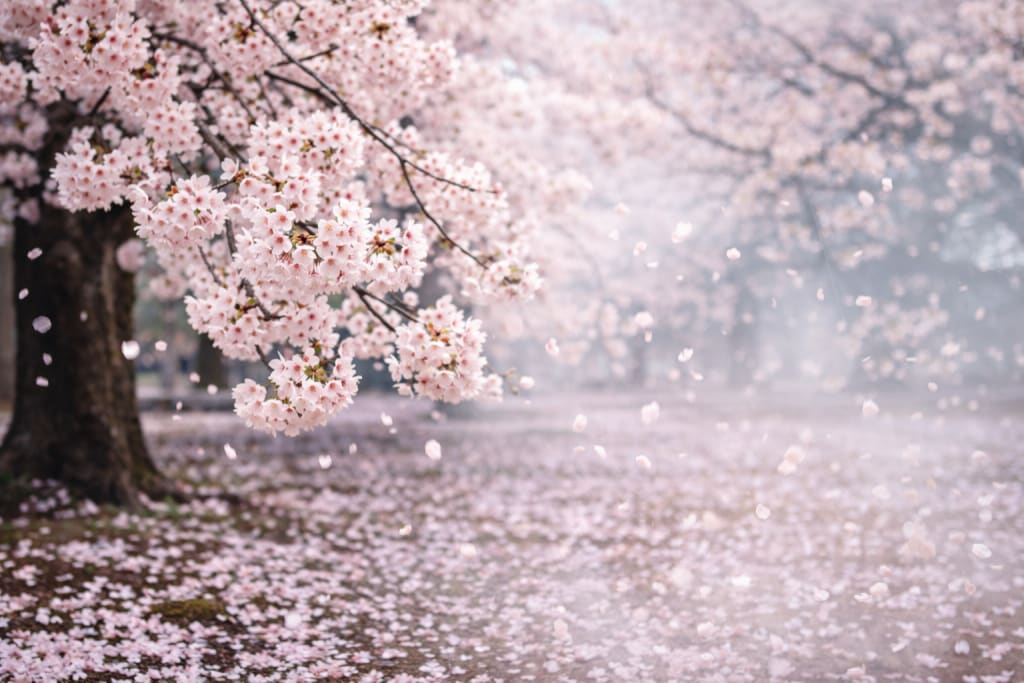
The tree is a woody perennial plant.
Its scientific name is Prunus serrulata.
In late March, the ambient temperature rises.
This thermal change triggers a biological response in the buds.
They expand because of internal fluid pressure.
The petals are composed of cellulose and water.
They are pale pink, a specific wavelength of reflected light.
They do not represent a human face or a lost memory.
They are reproductive organs designed to attract insects.
Gravity acts upon the petals as they detach.
Air resistance determines the speed of their descent.
They fall at approximately five centimeters per second.
This is a measurement of velocity, not a feeling of sadness.
The ground is covered in these organic remnants.
The tree does not feel lonely when the petals are gone.
Loneliness is a human neurological state, not a botanical one.
The tree begins the process of photosynthesis in its green leaves.
It converts sunlight, water, and carbon dioxide into glucose.
The wood consists of xylem and phloem.
It stands in the dirt because of its root system.
It exists without the need for a literary meaning.
The blossoms grow, they detach, and they decompose.
This is the physical sequence of the season.
It is exactly what it appears to be.
It is a plant in a specific location at a specific time.
About the Creator
Takashi Nagaya
I want everyone to know about Japanese culture, history, food, anime, manga, etc.
Keep reading
More stories from Takashi Nagaya and writers in Poets and other communities.
You Should Stop Trying to Be a Better Person
A year ago, I spent two days in the Colombian mountains drinking ayahuasca as part of a spiritual ceremony. An experience that pulled apart every detail of my being and rearranged me in a new sequence. I wish that life became easier after the feat. It didn’t.
By Annaise Michelle8 days ago in Humans



Comments (2)
I find scientific observations to be their own beautiful forms of poetry. Your piece captured that sentiment perfectly ❤️
Loved the non-metaphorical asides. Great job!