
Why Does My Cat Bite Me? 8 Reasons and Fixes
From playful nips to sudden chomps, here’s what your cat is really saying—and how to respond without losing a finger


A cat bite can feel like a plot twist.
One moment, you’re peacefully petting your cat… the next, snap—tiny teeth, sharp message, no explanation. It’s confusing, sometimes painful, and often taken personally.
But here’s the truth: your cat isn’t being “mean.”
Biting is communication. Direct. efficient. a little dramatic, yes—but meaningful.
Once you understand why it happens, you can respond in a way that actually works.
Let’s decode the mystery.
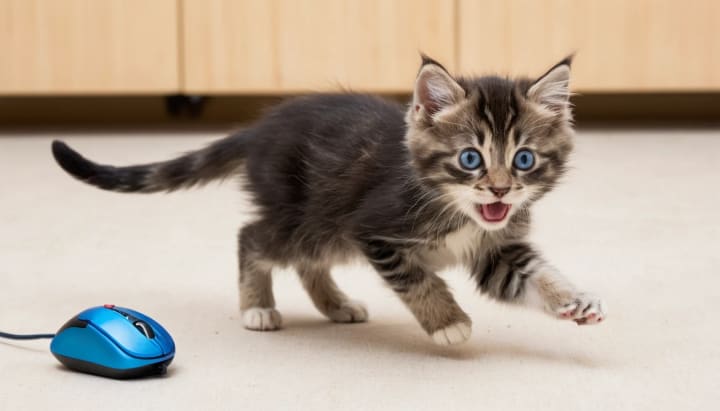
1. Love Bites (Yes, That’s a Thing)
What’s happening:
A gentle nibble during petting or cuddling is often affection.
Cats groom each other by licking and lightly biting. When your cat does this to you, they’re including you in their social circle.
How to fix (if needed):
If it’s too rough, calmly stop interaction. No yelling, no sudden reactions. Just withdraw attention.
You’re teaching: gentle = attention stays, rough = attention disappears.
2. Overstimulation: “That’s Enough Now”
What’s happening:
Cats have a threshold for touch. Cross it, and they hit the emergency exit… with teeth.
Signs you missed the warning:
• Tail flicking
• Ears turning sideways
• Skin twitching
• Sudden tension
The bite is not the first signal. It’s the final one.
Fix:
Learn your cat’s limit. Stop petting before the warning signs escalate.
Think of it like a volume knob. Don’t wait until it hits maximum.
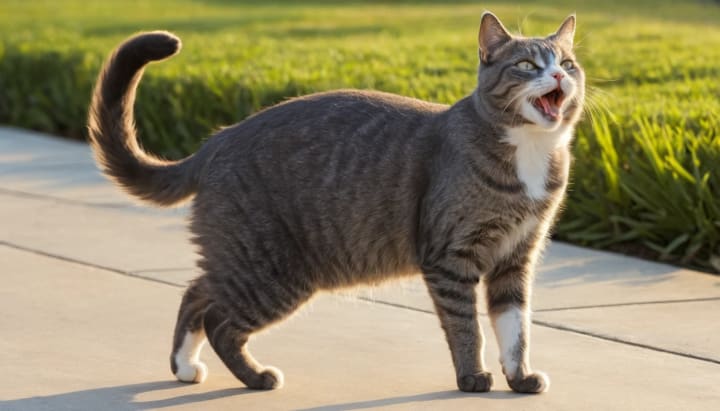
3. Play Aggression
What’s happening:
Your hand becomes prey.
This often develops in cats who were taught as kittens that hands are toys. They stalk, pounce, and bite because… that’s what they’ve learned to do.
Fix:
• Never use hands as toys
• Use wand toys or moving objects instead
• Redirect biting to appropriate targets
You’re not stopping play.
You’re changing the rules of the game.
4. Attention-Seeking Bites
What’s happening:
Your cat has discovered something powerful:
Biting = immediate reaction from you.
Even negative attention counts.
Fix:
• Ignore mild bites completely
• Reward calm, non-biting behavior
• Give attention before they escalate
You’re rewiring the system: polite behavior works better.

5. Fear or Anxiety
What’s happening:
If your cat feels threatened or cornered, biting becomes self-defense.
This can happen during:
• Forced handling
• Loud environments
• Unfamiliar situations
Fix:
• Give your cat space
• Avoid forcing interaction
• Let them approach on their terms
Trust grows slowly—but it grows.
6. Redirected Aggression
What’s happening:
Your cat sees something frustrating (another animal, a bird outside, a noise)… but can’t reach it.
You happen to be nearby.
Unfortunately, you become the substitute target.
Fix:
• Avoid touching your cat when they’re visibly agitated
• Distract with toys or movement
• Remove the trigger if possible
It’s not personal.
You were just in the wrong place at the wrong time.
7. Pain or Medical Issues
What’s happening:
A normally gentle cat suddenly starts biting? Pain could be the cause.
Cats hide discomfort well—but when touched in a sensitive area, they may react quickly.
Fix:
• Observe for other changes (hiding, reduced activity, appetite shifts)
• Consult a vet if behavior changes suddenly
Sometimes, a bite is the only way your cat can say, “something hurts.”

8. Hunting Instinct Kicks In
What’s happening:
Movement triggers instinct.
Wiggling fingers under a blanket, moving feet, or fast hand motions can activate your cat’s inner hunter.
To them, it’s not your hand.
It’s prey.
Fix:
• Avoid teasing movements with your body
• Use toys to simulate prey instead
• Channel that energy into structured play
Let them hunt—just not you.
The Golden Rule: Don’t Punish
It might be tempting to scold, tap, or push your cat away harshly.
Don’t.
Punishment doesn’t teach cats what to do—it only creates fear, confusion, or more aggression.
Instead, focus on:
• Redirecting behavior
• Rewarding calmness
• Understanding triggers
You’re not “correcting” your cat.
You’re translating between two very different languages.
A Smarter Strategy: Replace, Don’t Remove
Every biting behavior has a purpose.
So instead of trying to eliminate it, give it a better outlet:
• Play aggression → toys
• Attention-seeking → scheduled interaction
• Hunting → interactive games
When the need is met, the biting fades.
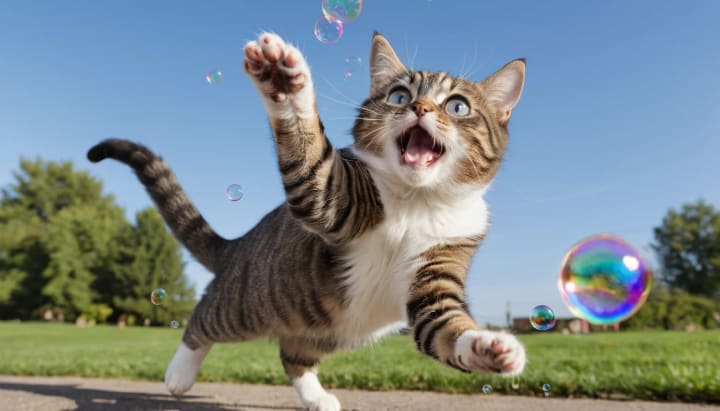
Teeth as a Message, Not a Problem
A cat bite is not random.
It’s a signal—sometimes soft, sometimes sharp—that something needs to change.
More space. Less stimulation. Better play. Clearer communication.
Once you start reading those signals, the bites stop feeling like surprises… and start feeling like conversations.
And here’s the quiet truth beneath it all:
A cat that interacts enough to bite you is a cat that’s deeply engaged with you.
Now it’s just a matter of guiding that energy into something a little less… pointy.
About the Creator
Algieba
Curious observer of the world, exploring the latest ideas, trends, and stories that shape our lives. A thoughtful writer who seeks to make sense of complex topics and share insights that inform, inspire, and engage readers.
Wisteria Woo RIP
Wisteria Woo Silver~Rhodesian Ridgeback Cane Corso mix~ 7.19.15-3.2.26 My service dog, Wisteria, had been slowing down, having mysterious health symptoms like severe hives and unexplained injury. She went to the vet last month, but unfortunately, not all tests detect all problems. When we returned to the vet yesterday, upon much more concerning symptoms suddenly appearing, we learned she had a very large mass (10inx10in) likely the very aggressive hemangiosarcoma, and that we would only be buying a few months if we went through with treatment.
By K.B. Silver 20 days ago in Petlife
Rescue Against the Waves
In a remarkable story of courage, coordination, and compassion, a stranded elephant was rescued from the open sea after being spotted struggling far from shore. The incident, which unfolded off a coastal region in South Asia, captured the attention of locals, wildlife officials, and the global community, highlighting both the vulnerability of wildlife and the extraordinary efforts humans can make to protect it.
By Irshad Abbasi 5 days ago in Petlife




Comments
There are no comments for this story
Be the first to respond and start the conversation.