
The Hidden Causes of Poor Sleep Quality
Why you’re tired every morning – and what’s really stealing your rest

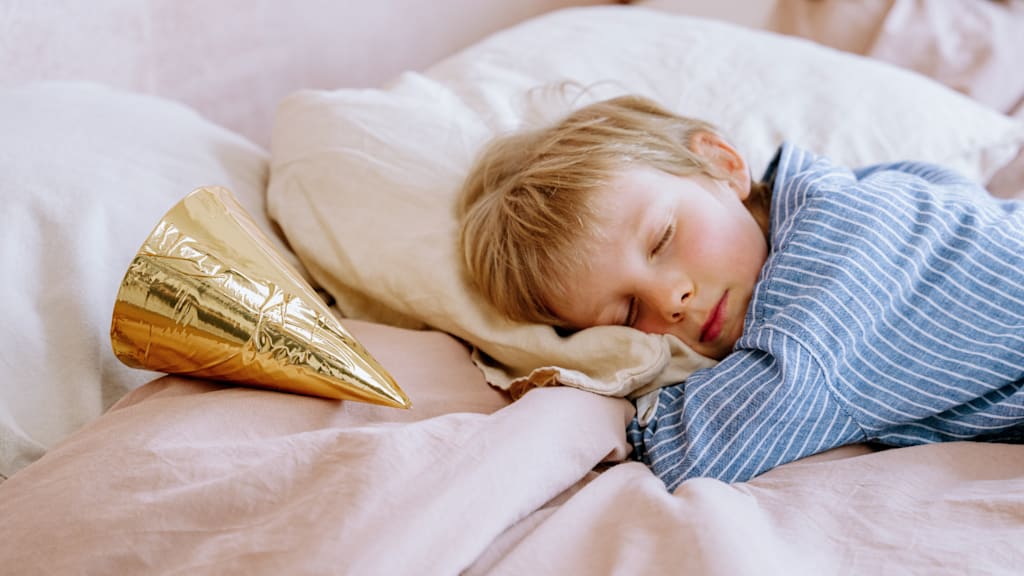
We’ve all been there. You crawl into bed after a long day, close your eyes, and wake up… feeling like you barely slept. Your phone says you were in bed for eight hours. But your brain feels foggy, your mood is short, and coffee is the only thing keeping you upright.
Most people blame stress or a bad mattress. But the real thieves of sleep are often invisible. They hide in your daily habits, your bedroom environment, and even your biology. Let’s uncover them – one by one.
---
1. The Sunset You Never See: Blue Light and Your Internal Clock
Your body has a natural timekeeper called the circadian rhythm. Think of it as an ancient clock that expects bright sun during the day and total darkness at night. When sunlight hits your eyes in the morning, your brain stops producing melatonin – the hormone that makes you sleepy. When darkness falls, melatonin rises again.
Here’s the hidden problem: modern screens (phones, laptops, TVs) pump out blue light. Blue light looks like midday sun to your brain. So when you scroll through social media at 11 p.m., your brain thinks it’s 2 p.m. Melatonin production drops. You don’t feel tired. You fall asleep later, and when you do, your sleep is lighter and more fragmented.
What to do: Put away all screens 60–90 minutes before bed. If you must use a device, use blue-light-blocking glasses or “night mode” settings. Better yet, read a physical book under a warm, dim lamp. Your ancient clock will thank you.
---
2. The Evening Wine Trap: Alcohol’s Dirty Secret
Many people swear by a glass of wine or a beer to “unwind” before bed. Alcohol is a sedative – it does help you fall asleep faster. But here’s the hidden catch: alcohol destroys your sleep architecture.
Normal sleep cycles through four stages, including deep sleep (physical restoration) and REM sleep (emotional and memory processing). Alcohol pushes you quickly into deep sleep, skipping the natural progression. Then, as your liver metabolizes the alcohol – usually 3–4 hours after you fall asleep – your body experiences a “rebound effect.” Your heart rate increases, your brain becomes more alert, and you wake up repeatedly during the second half of the night.
You may not remember waking up. But your fitness tracker would show dozens of micro-awakenings. The result? You wake up dehydrated, groggy, and anxious – even after “eight hours.”
What to do: Stop drinking alcohol at least 3–4 hours before bed. For better sleep quality, consider alcohol-free days during the week. Herbal tea (chamomile or valerian root) is a far better evening ritual.
---
3. Your Bedroom Is Too Warm (Even If You Feel Fine)
Most people keep their bedrooms at a comfortable daytime temperature – around 20–22°C (68–72°F). But your body needs to cool down to fall asleep and stay asleep. In fact, your core temperature must drop by about 1°C (1.8°F) for deep sleep to occur.
When your bedroom is warm, your body struggles to shed heat. You might fall asleep anyway, but you’ll spend less time in deep sleep and REM sleep. You’ll also wake up more often, even if you don’t fully remember it.
This is a hidden cause because you don’t feel “hot.” You just feel restless. People who sleep in overheated rooms often wake up with dry mouths, sweaty necks, or vague discomfort – but they blame stress or dreams.
What to do: Set your thermostat to 16–19°C (60–67°F) at night. Use breathable cotton sheets. Take a warm bath 90 minutes before bed – it sounds counterintuitive, but the bath heats you up, then your body cools down rapidly afterward, mimicking the natural temperature drop for sleep.
---
4. The Late-Night Snack That Fights Back
Eating too close to bedtime is a well-known problem. But the hidden cause isn’t just indigestion – it’s blood sugar swings.
When you eat a heavy meal or a sugary snack before bed, your blood sugar rises. Your pancreas releases insulin to bring it down. Sometimes insulin overdoes it, causing your blood sugar to drop too low in the middle of the night. That drop triggers a stress hormone called cortisol and adrenaline. Those hormones wake you up – not fully, but enough to pull you out of deep sleep.
You might wake up at 2 a.m. for no apparent reason, or you might just toss and turn without knowing why. In the morning, you feel exhausted and crave sugar, starting the whole cycle again.
Even worse: spicy or acidic foods (tomato sauce, hot peppers, citrus) can cause silent acid reflux. You don’t feel heartburn, but stomach acid creeps up your esophagus, irritating your throat and triggering micro-awakenings.
What to do: Finish your last meal 3 hours before bed. If you’re truly hungry, eat a small snack of protein and complex carbs (a banana with peanut butter, or a few almonds). Avoid sugar, refined flour, and spicy foods after 7 p.m.
---
5. The Anxiety That Doesn’t Feel Like Anxiety
You know what obvious anxiety feels like: racing heart, sweaty palms, spiraling thoughts about work or money. But low-grade, hidden anxiety is different. It doesn’t feel like fear – it feels like “I’m just thinking about my to-do list.” Or “I’m just planning tomorrow.”
Here’s why that’s deadly for sleep: your brain’s default mode network (DMN) is the part that chatters constantly about the past and future. When you lie in bed without distractions, the DMN gets louder. You start mentally rehearsing tomorrow’s meeting, replaying an awkward conversation, or worrying about your kid’s school project. None of it feels like panic. But it keeps your brain in a state of low alert – not relaxed enough for deep sleep.
Over time, your brain learns to associate bed with thinking, not sleeping. That’s a hidden form of conditioned insomnia.
What to do: Create a “brain dump” ritual. One hour before bed, write down everything on your mind – tasks, worries, random ideas – on paper. Close the notebook and tell yourself, “I’ll deal with this tomorrow.” Then practice 5–10 minutes of box breathing: inhale for 4 seconds, hold for 4, exhale for 4, hold for 4. This physically lowers your heart rate and tells your brain that you’re safe.
---
6. Weekend Revenge Sleep: Why Sleeping In Backfires
You work hard all week. You sleep 6 hours per night. Friday comes, and you tell yourself, “I’ll catch up on Saturday.” You sleep until 11 a.m. You feel great that morning. But then Sunday night comes – and you can’t fall asleep. Monday morning is brutal again.
This is called social jetlag. Your circadian rhythm is like a plant that needs consistent sunlight. When you wake up at 7 a.m. on weekdays but 10 a.m. on weekends, you’re essentially flying between two time zones without leaving your house. Your internal clock becomes confused. It stops releasing melatonin at the right time on Sunday night, so you lie awake.
The hidden damage: Studies show that every hour of weekend “catch-up sleep” increases your risk of metabolic problems, because your body’s hormone cycles (cortisol, insulin, leptin) get scrambled.
What to do: Wake up within one hour of your weekday time, even on weekends. If you’re exhausted, take a 20-minute nap at 2 p.m. – no longer, and not after 3 p.m. Consistency beats quantity every time.
---
7. The Silent Noise You’ve Stopped Noticing
Do you live near a road? Have a refrigerator that hums? A partner who snores lightly? Your brain is incredible at habituating – it learns to ignore constant, predictable sounds. You don’t consciously hear the traffic or the fridge anymore.
But your subconscious brain does. During sleep, your ears are still sending signals to your auditory cortex. A constant hum doesn’t wake you, but it prevents your brain from entering the deepest stages of sleep. It’s like trying to read a book while someone whispers in the next room – you can still read, but you can’t focus fully.
This hidden noise pollution increases cortisol and heart rate throughout the night. One study found that people living near airports had poorer sleep quality even when they swore they weren’t disturbed by the noise.
What to do: Use a white noise machine, a fan, or a pink noise app (pink noise is deeper and more natural than white). These mask irregular sounds with a smooth, constant signal. Better yet, try silicone earplugs – they’re cheap and reduce background noise by 20–30 decibels.
---
8. Your Mattress Is Too Old (But Looks Fine)
A mattress doesn’t have to be sagging or torn to ruin your sleep. Over time, the foam or springs lose their ability to support your spine in a neutral position. After 7–10 years, most mattresses develop body impressions – invisible dips that misalign your hips and shoulders.
You might not feel pain during the day. But at night, those misalignments cause micro-movements. You shift positions 40–60% more often than on a supportive mattress. Each shift is a micro-awakening. You also develop hidden pressure points on your hips and shoulders, which reduce blood flow and trigger more movement.
What to do: Replace your mattress every 8 years. When shopping, ignore marketing terms like “orthopedic” or “medical grade” – they mean nothing. Instead, test mattresses by lying on your side for 10 minutes. Your spine should be straight (no dipping at the waist, no bowing upward). Memory foam, latex, and hybrid mattresses all work; choose based on your sleep temperature preferences.
---
9. The Morning Coffee That Steals Night Sleep
Caffeine has a half-life of about 5 hours. That means if you drink a 200mg cup of coffee at 2 p.m., you still have 100mg in your system at 7 p.m., and 50mg at midnight. For many people, even 50mg is enough to block adenosine – the chemical that builds up sleep pressure throughout the day.
But here’s the hidden part: caffeine sensitivity varies wildly based on your genetics. About 50% of people are “slow metabolizers” – they carry a variant of the CYP1A2 gene that breaks down caffeine at half the normal speed. If you’re one of them, that 2 p.m. iced tea is still affecting you at 1 a.m.
You won’t feel wired. You’ll just notice that you don’t feel “sleepy enough” when your head hits the pillow. You fall asleep, but it takes 30 minutes instead of 15. And your deep sleep is reduced by 20–30%.
What to do: Stop all caffeine (including black tea, green tea, soda, and chocolate) by 12 p.m. If you’re struggling with sleep, try a full 2-week caffeine detox – you’ll be shocked at how much deeper you sleep. After that, only have coffee in the first hour after waking.
---
10. The Bright Bathroom Trip
You wake up to pee at 3 a.m. You stumble to the bathroom, flip on the light, do your business, and go back to bed. But then you lie awake for 30 minutes.
The culprit: your bathroom light. Even a 60-watt bulb (800 lumens) is 10–20 times brighter than moonlight. When that light hits your eyes, your brain halts melatonin production for up to 45 minutes. You also trigger the suprachiasmatic nucleus – your brain’s master clock – to think it’s morning.
You don’t need to be fully awake to suffer. A 10-second burst of bright light at 3 a.m. can shift your circadian rhythm by 30–60 minutes.
What to do: Install a dim red or amber night light in your bathroom. Red light has the least effect on melatonin. Alternatively, use a small flashlight with a red filter. Keep your eyes closed as much as possible, and never look directly at any white light.
---
Conclusion: Hidden Causes, Simple Fixes
Poor sleep quality isn’t a mystery. It’s a collection of small, invisible thieves – blue light, warm rooms, late snacks, hidden anxiety, weekend sleeping in, constant hums, old mattresses, afternoon caffeine, and bright bathroom trips. Each one steals just a little. Together, they rob you of deep, restorative rest.
The good news? You don’t need expensive gadgets or pills. Start with one change this week: put screens away 90 minutes before bed. Next week, lower your thermostat. The week after, switch to a dim bathroom light. Your body will repay you with mornings that feel bright, clear, and alive – without an alarm clock screaming at you.
Sweet dreams. Real ones this time.
About the Creator
Health Looi
Metabolism & Cellular Health Writer. I research and write about natural health, :mitochondrial support,and metabolic wellness .More health guides and exclusive content:
https://ko-fi.com/healthlooi
Keep reading
More stories from Health Looi and writers in Longevity and other communities.
Why You Feel Worse After Sleeping More
We’ve all been there. After a grueling week, you finally crash on Saturday night and sleep for ten, eleven, even twelve hours. You wake up expecting to feel reborn. Instead, you feel groggy, headachy, and strangely more exhausted than before. What went wrong?
By Health Looia day ago in Longevity
Microsoft's Purposeful Marketing Deception About AI's Ability To Beat Physicians In Diagnosis
When you look at the world of scientific research... If you are not careful... You will be fooled into believing things that are not actually supported by the data.
By Dr. Cody Dakota Wooten, DFM, DHM, DAS (hc)22 days ago in Longevity
Boredom Is Not a Problem to Fix
Boredom has quietly become something we try to eliminate as quickly as possible. The moment there is a gap no task, no input, no immediate engagement we reach for something. A screen, a notification, a piece of content, anything that fills the space. It happens almost automatically, without much thought.
By Arjun. S. Gaikwad3 days ago in Longevity
12 Life Lessons The Golden Girls Taught Us
Picture it: Miami, 1985. Four middle-aged actresses agree to play the characters of Blanche, Rose, Dorothy, and Sophia who share a home in a TV sitcom called The Golden Girls, unaware at the time of the kind of impact the show would leave on its adoring fans. The show aired until 1992, ending with a one-season spinoff called Golden Palace. The seven years we were graced with The Golden Girls on our television screens made its mark. More than three decades after Susan Harris’ imagination sparked the creation of these iconic characters, fans from around the world still watch reruns of The Golden Girls, spend time discussing the show on social media in Facebook groups like The Golden Girls Fanatics, carry Sophia-inspired handbags and relate to the episodes in their daily lives.
By Criminal Matters2 days ago in Humans


Comments
There are no comments for this story
Be the first to respond and start the conversation.