
8 Warning Signs Of Diabetes
You're Consuming Too Much Sugar

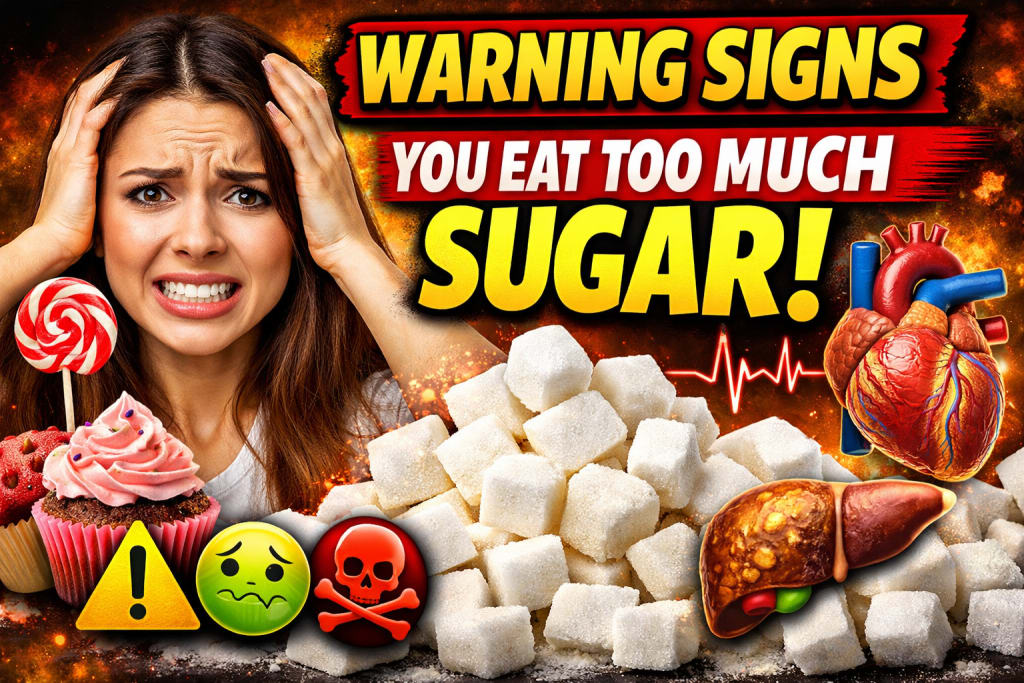
Sugar is a delicious and addictive substance, but it can also be harmful to your health when consumed in excess. Sugar, the sweet seducer that finds its way into our daily diets, can have a detrimental impact on our health when eaten in large amounts.
Eating too much sugar can lead to a number of health problems, including obesity, type 2 diabetes, heart disease, and stroke. It is crucial to be mindful of the signs your body may be sending when you have crossed the line into sugar overload.
In the above video, I explained nightime warning signals that your body might be revealing to indicate you are consuming more sugar than it can handle. Below are the 8 warning signs of diabetes,
>>VERY IMPORTANT<< Subscribe to me here and on Youtube so you can learn more on how to control and reverse diabetes and more health tips
1. Cravings for Sugary Foods and Drinks
When you eat sugar, it triggers the release of dopamine, a neurotransmitter associated with pleasure and reward. This is one reason sugar can feel so addictive. The more sugar you eat, the more dopamine is released, and the more you may crave it.
In addition, sugar can disrupt the regulation of ghrelin and leptin, two hormones that control hunger and fullness. Ghrelin is known as the hunger hormone because it stimulates appetite. Leptin is known as the satiety hormone because it signals to the brain that you are full.
Eating too much sugar can lead to increased levels of ghrelin and decreased levels of leptin, which can make you feel hungrier and less satisfied even after eating a meal.
2. Energy Crashes
When you eat sugar, it is quickly absorbed into the bloodstream and causes a spike in blood sugar levels. This triggers the release of insulin, a hormone that helps lower blood sugar levels.
However, insulin can also cause your blood sugar levels to drop too low, which is known as hypoglycemia. Hypoglycemia can cause symptoms such as fatigue, weakness, dizziness, and difficulty concentrating.
When you experience hypoglycemia, your body may crave more sugar in an attempt to raise blood sugar levels again. This can lead to a vicious cycle of eating sugar, experiencing a crash, and craving more sugar again.
3. Weight Gain
Sugar is a high-calorie food but low in nutrients. This means that eating too much sugar can lead to weight gain, especially around the belly.
Excess sugar is stored in the liver as glycogen. When the liver’s glycogen stores are full, extra sugar is converted to fat and stored in the body. Fat storage around the belly is particularly harmful because it is associated with an increased risk of chronic diseases such as heart disease, stroke, and type 2 diabetes.
4. Acne
When you eat sugar, it can cause a spike in insulin levels. Insulin triggers the production of androgens, hormones that can increase oil production in the skin. This can lead to clogged pores and acne breakouts.
In addition, sugar can feed the bacteria that contribute to acne. When you eat sugar, the bacteria produce more acids, which can irritate the skin and make acne worse.
5. Poor Sleep Quality
Eating sugar before bed can interfere with sleep quality in several ways. First, sugar can increase alertness and make it difficult to fall asleep.
Second, sugar can disrupt the sleep cycle by causing blood sugar levels to fluctuate throughout the night. Third, sugar can lead to nightmares and night terrors. Finally, sugar can worsen sleep apnea, a condition in which breathing is interrupted during sleep.
6. Weak Immune System
Sugar can weaken the immune system by making it more difficult for white blood cells to fight off infection.
When you eat sugar, it triggers the release of cortisol, a stress hormone. Cortisol can suppress the immune system and make it harder for the body to defend itself. In addition, sugar can feed unhealthy bacteria in the gut. These bacteria can produce toxins that may damage the gut lining and make it more difficult for the body to absorb nutrients.
7. High Blood Pressure
Sugar can contribute to high blood pressure by damaging the blood vessels and making it more difficult for blood to flow properly.
When you eat sugar, it triggers the release of insulin. Insulin can cause blood vessels to constrict, making blood flow more difficult. In addition, sugar can damage the endothelium, the lining of the blood vessels. This damage can lead to inflammation and narrowing of the blood vessels, which can increase blood pressure.
8. Fatty Liver
Sugar can cause fat to build up in the liver, leading to a condition called non-alcoholic fatty liver disease (NAFLD).
NAFLD can damage the liver and lead to serious health problems such as cirrhosis and liver cancer. When you eat sugar, it is converted to fat in the liver. If you eat more sugar than your liver can process, the excess fat can build up in the liver and contribute to this condition.
Conclusion
If you are experiencing any of the signs listed above, it may be a good idea to reduce your sugar intake. You can do this by limiting sugary foods and drinks and making more balanced food choices.
About the Creator
Edward Smith
I can write on ANYTHING & EVERYTHING from fictional stories,Health,Relationship etc. Need my service, email [email protected] to YOUTUBE Channels https://tinyurl.com/3xy9a7w3 and my Relationship https://tinyurl.com/28kpen3k
Keep reading
More stories from Edward Smith and writers in Longevity and other communities.
Microsoft's Purposeful Marketing Deception About AI's Ability To Beat Physicians In Diagnosis
When you look at the world of scientific research... If you are not careful... You will be fooled into believing things that are not actually supported by the data.
By Dr. Cody Dakota Wooten, DFM, DHM, DAS (hc)17 days ago in Longevity
Curd vs Yoghurt: Key Differences Explained
When it comes to dairy staples, curd and yoghurt are often used interchangeably, especially in countries like India. However, despite their similarities in taste, texture, and nutritional value, there are important differences between the two. Understanding these distinctions can help you make better dietary choices based on your health goals, taste preferences, and lifestyle.
By Veronica Bennett6 days ago in Longevity


Comments
There are no comments for this story
Be the first to respond and start the conversation.