
Arab, Middle Eastern, Gulf & Islamic Countries — What’s the REAL Difference?
(Most People Get This Wrong)
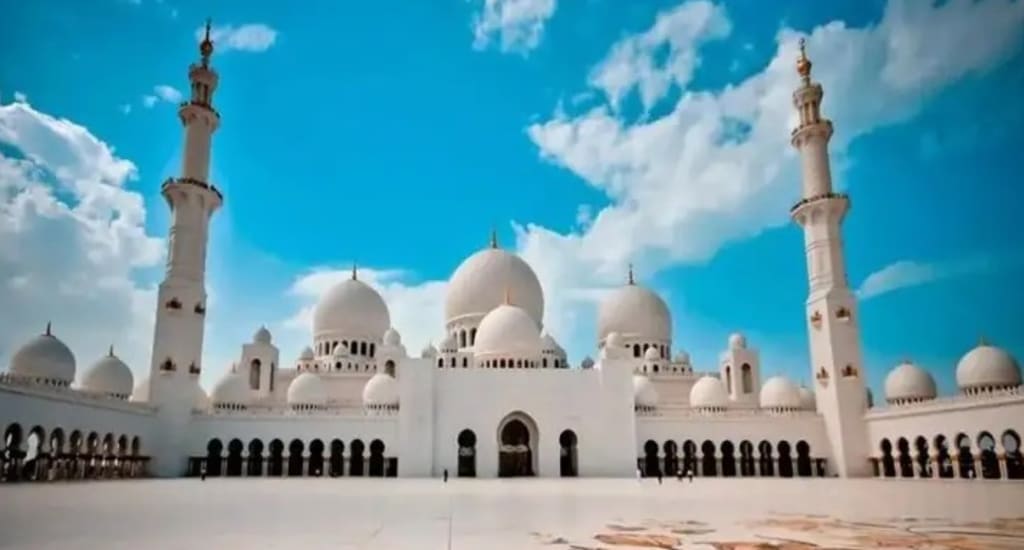
If you’ve ever scrolled through the news or watched geopolitics unfold, you’ve probably seen these terms thrown around like they mean the same thing: Arab, Middle Eastern, Gulf, Islamic.
They don’t.
And confusing them isn’t just a small mistake — it completely changes how you understand global politics, culture, and even business trends.
Let’s break it down in a way that actually makes sense 👇
🟤 1. Arab Countries — It’s About Language, Not Religion
When we say “Arab countries,” we’re not talking about religion or geography first — we’re talking about language and cultural identity.
These are countries where:
Arabic is the dominant language
Arab culture shapes society
They are members of the Arab League
🌍 Where are they?
Spread across West Asia and North Africa (MENA).
📌 Examples:
West Asia: Saudi Arabia, Iraq, Jordan, United Arab Emirates
North Africa: Egypt, Algeria, Morocco
⚠️ Reality Check:
Not all Muslim countries are Arab.
For example, Iran and Turkey are NOT Arab — different languages, different ethnic roots.
👉 Think of “Arab” like a shared cultural-linguistic club, not a religious one.
🌍 2. Middle Eastern Countries — A Geopolitical Puzzle
Now this is where things get messy.
“Middle East” is not a strict definition — it’s a geopolitical label shaped by history, trade routes, and power struggles.
🌐 Why it matters:
This region connects:
- Asia
- Europe
- Africa
It’s basically the world’s strategic crossroads.
📍 Core Regions:
Arabian Peninsula: Saudi Arabia, Qatar, Oman
Levant: Syria, Lebanon, Israel, Palestine
Key outsiders (but included): Iran, Turkey, Egypt
🔥 Why it’s always in the news:
- Oil politics
- Religious tensions (Sunni vs Shia)
- Conflicts like the Israel–Palestine issue
👉 “Middle East” = location + strategy, not identity.
🛢️ 3. Gulf Countries — Follow the Oil
If Arab identity is about language, Gulf identity is about geography + النفط (oil).
These are countries surrounding the Persian Gulf.
🧭 Core Gulf Countries:
- Saudi Arabia
- United Arab Emirates
- Qatar
- Kuwait
- Bahrain
- Oman
- Plus: Iran and Iraq
🏛️ Key Organization:
The Gulf Cooperation Council (GCC) — a powerful economic bloc.
💰 Why they matter:
- Control a massive share of global oil reserves
- High-income economies (especially UAE, Qatar)
- Heavy influence on global energy prices
👉 “Gulf countries” = oil-rich neighborhood with global leverage
☪️ 4. Islamic Countries — A Global Faith Network
Now we zoom out — way out.
“Islamic countries” are not about geography or language — they’re about religion.
These are nations where:
Islam is the majority religion
Or Islam plays a major role in governance
🌐 Represented by:
The Organisation of Islamic Cooperation (OIC)
📊 Scale:
57 member countries
Spanning Asia, Africa, Europe, and even South America
📍 Examples:
- South Asia: Pakistan, Bangladesh
- Southeast Asia: Indonesia, Malaysia
- Middle East: Saudi Arabia, Iran
⚠️ Key Insight:
- Not all Islamic countries are Arab
- Not all Arab countries are strictly Islamic states
👉 “Islamic countries” = faith-based global community
💡 Final Thought (This Changes How You See the World)
Here’s the truth nobody tells you:
Most global headlines blur these categories — and that’s why people misunderstand entire regions.
When you hear:
- “Middle East conflict” → it’s political
- “Arab world reaction” → it’s cultural
- “Gulf investment” → it’s economic
- “Islamic unity” → it’s religious
Different lenses. Different realities.
And once you see that clearly… geopolitics starts making a lot more sense.
About the Creator
Satwa Dubai: A Brief Overview
Satwa Dubai is one of the most unique areas in the city, where the past and present exist side by side in a very natural and visible way. While Dubai is known for luxury buildings and modern development, Satwa represents a simpler and more grounded lifestyle that continues to thrive.
By Backlinks Cart7 days ago in History



Comments
There are no comments for this story
Be the first to respond and start the conversation.