
Why Catholics Celebrate Easter Today — and How It Differs From Orthodox Easter
Why Western Christians celebrate Easter today, why Orthodox Christians celebrate later, and what the two traditions still share.
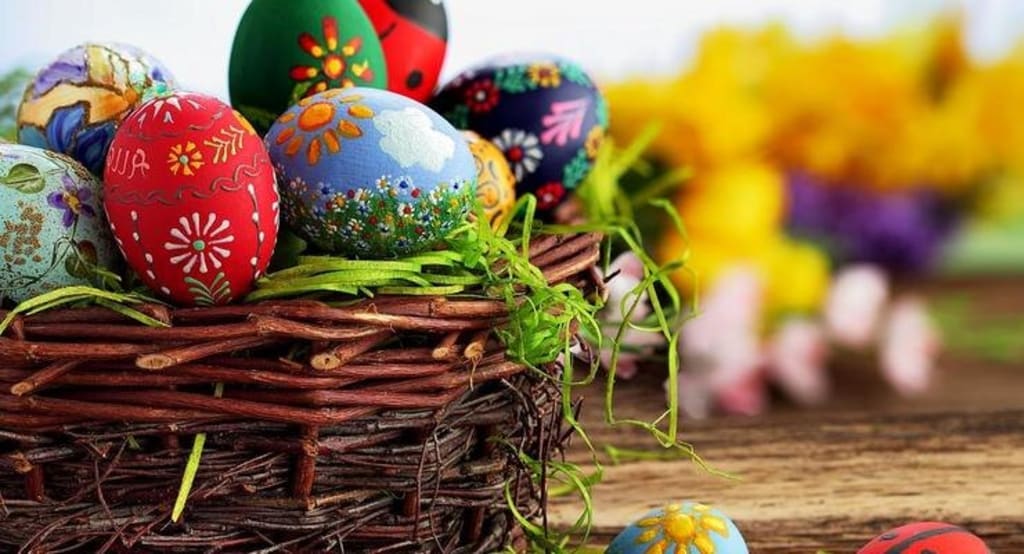
Today, April 5, 2026, Catholics and most Western Christian churches are celebrating Easter. Orthodox Easter this year will come a week later, on April 12. This difference is not unusual: Western and Eastern traditions sometimes fall on the same date, but more often they do not.
When people say that “the Catholic world is celebrating Easter,” they usually mean countries with a strong Catholic tradition. In Europe, that includes Italy, Spain, Poland, Portugal, Austria, and Ireland, as well as France and Germany, where Catholics remain one of the largest religious groups. In Latin America, Catholicism still dominates in many countries, including Mexico, Colombia, Peru, and Argentina, although its share there is gradually declining. In Asia, the largest Catholic country remains the Philippines, where about eight in ten residents identify as Catholic.
But it is important to understand that today’s Easter is not observed only by Catholics. The same Western date is also used by many Protestant churches, from Lutherans and Anglicans to Reformed and evangelical communities. So in practice, this is not simply “Catholic Easter,” but the Western Easter date used by the Roman Catholic Church and most Western Christian traditions.
What Western and Orthodox Easter Have in Common

The most important thing is that the meaning of the feast is the same. Both Catholics and Orthodox Christians celebrate the Resurrection of Christ, and Easter is regarded as the central event of the Christian year. In both Western and Eastern traditions, it is preceded by a fast, Holy Week, Maundy Thursday, Good Friday, Easter services, and a festive liturgy. In both traditions, Easter stands above Christmas in religious significance.
The basic formula for the date is also the same. Easter is tied to the spring equinox and the paschal full moon. As early as the Council of Nicaea in 325, the principle was fixed that Easter should be celebrated on the Sunday after the first full moon following the spring equinox. That is why the holiday moves each year on the calendar.
What Is Different

The most visible difference lies not in belief, but in liturgical style and cultural habits. In the Catholic and broader Western world, Easter often looks more openly bright and family-centered in everyday life: festive Masses, ringing bells, Easter tables, chocolate eggs, rabbits, children’s games, and decorated homes. In the Orthodox tradition, the feast is usually felt as more solemn and mystical: the midnight service, the procession, the proclamation “Christ is risen,” the blessing of kulich and eggs, and a stronger connection to the liturgy itself. That does not mean one Easter is “joyful” and the other “serious” — only that their cultural expression is different.
There are also calendar differences in the structure of Lent and Holy Week. In the Western tradition, Lent ends by the evening of Maundy Thursday, while the Easter Triduum forms a separate sacred period. In the Eastern tradition, the liturgical rhythm is somewhat different, and Lent is connected with a longer and stricter cycle that also includes Holy Week.
Why Catholics Celebrate Today and Orthodox Christians Later
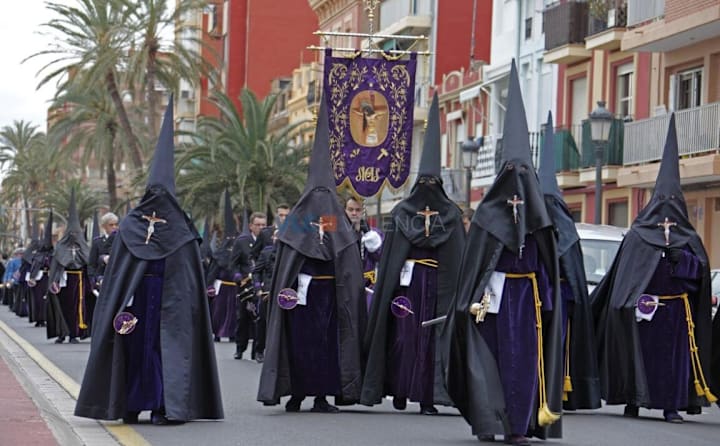
This is where the most interesting part begins. The reason lies in the calendars and in the method of calculation. Western churches calculate Easter according to the Gregorian calendar, introduced after the reform of Pope Gregory XIII in 1582. Eastern Orthodox churches, for the most part, continue to follow the older Julian paschal system for calculating Easter, even if some of them use a revised calendar for fixed feasts. That difference is what most often produces different dates.
Put very simply, West and East begin from the same ancient idea, but use different clocks. In the West, the spring equinox and the paschal full moon are calculated according to the newer calendar. In the East, they are calculated according to the older system tied to the Julian calendar. Because of this, Orthodox Easter usually falls later, although sometimes the dates do coincide. That happened, for example, in 2025, and the next common celebration is expected in 2028.
Why This Issue Has Still Not Been Resolved
At first glance, the matter seems purely technical: if all churches agreed on one date, the problem would disappear. But in reality, it is a very sensitive issue. For many Orthodox churches, preserving their paschal calculation is not just a question of calendar, but part of church tradition and identity. For Catholics and other Western Christians, the established rhythm of their liturgical year is equally important. For many years, the World Council of Churches has discussed the possibility of a common Easter date and has openly acknowledged that the difference remains a serious problem for Christian unity, especially in countries where Catholic and Orthodox families live side by side.
That is why a one-week difference, as in this year, is not an accident or an error, but the result of a very old historical divergence between Western and Eastern Christian tradition. The meaning of the feast is shared, and the root is the same, but the calendar path toward Easter turned out differently. In that, perhaps, lies the whole point: Catholic and Orthodox Easter are not different in substance, but they are often different in date, rhythm, and cultural expression.
About the Creator
Scones
Alright, let's not fuck about - here is what you need: Ingredients: 350g self raising flour 90g butter pinch of salt tsp of baking powder 3 tbsp caster sugar (or just normal white sugar would probably be fine) 175ml milk a squeeze of lemon a drop of vanilla an egg fresh strawberries, if they're in season Extra flour Even more flour Dried fruit (I consider this completely optional and usually leave it out)
By L.C. Schäfer7 days ago in Feast
Researchers investigating sea slugs find the most effective method for enhancing human memory.
Sea slug neurons best enhance long-term memory when a second learning experience takes place 24 hours following the first; shorter or longer intervals do not have the same effect, according to research. This little window implies that cells have an internal clock that determines when fresh data may be reinforced and stored.
By Francis Dami4 days ago in Feast
Ghostly Happenings in Colorado
Disturbed Spirits In Denver, an expanse of greenery, Cheesman Park comes with a macabre history since it was once a burial ground known as Mount Prospect Cemetery established by General William Larimer in 1858. The job of exhuming bodies began, and some were left behind resting beneath the park. However, the ghostly spirits don’t wish to rest in peace beneath the park, and visitors here have felt cold touches, seen ghostly children playing at night, and heard a singing lady who disappears when approached.
By Rasma Raisters4 days ago in Horror




Comments
There are no comments for this story
Be the first to respond and start the conversation.