
Waste Tire Pyrolysis and Hazardous Waste Classification
Regulatory Boundaries and Industrial Implications

Policy Context of Waste Tire Management
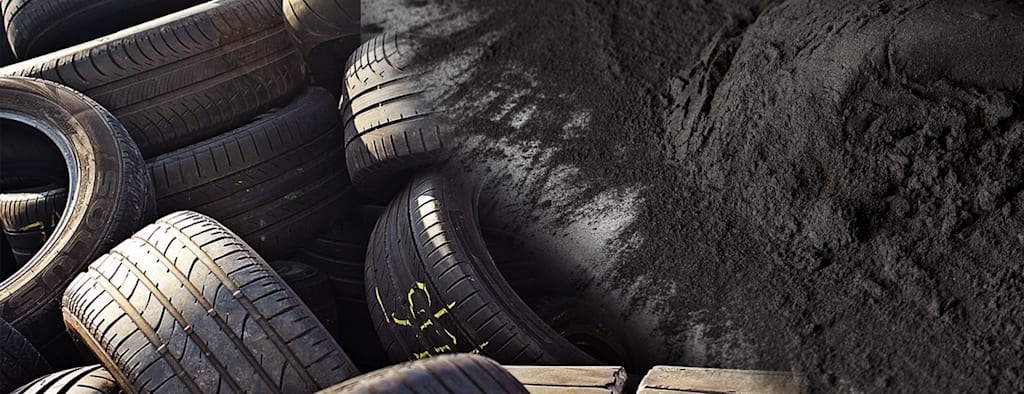
End-of-life tires (ELTs) represent a persistent challenge within solid waste governance frameworks. Their complex composition—comprising synthetic rubber, carbon black, steel, and various chemical additives—renders conventional disposal methods such as landfilling increasingly untenable. Consequently, thermochemical conversion technologies, particularly those deployed in a pyrolysis plant, have gained traction as an alternative valorization pathway.
However, the regulatory classification of waste tire pyrolysis remains contentious. A central question persists: should tire pyrolysis be regulated under hazardous waste management regimes, or treated as a form of resource recovery within the circular economy?
Chemical Complexity and Hazard Profile of Waste Tires
Waste tires contain a heterogeneous mixture of compounds, including polycyclic aromatic hydrocarbons (PAHs), heavy metals such as zinc and lead, and sulfur-based vulcanization agents. These constituents contribute to a latent hazard profile, particularly when subjected to thermal degradation.
During operation of a tyre pyrolysis plant, tires undergo anaerobic decomposition, generating outputs such as pyrolysis oil, syngas, and recovered carbon black. While the process is designed to occur in an oxygen-deficient environment to minimize combustion-related emissions, incomplete control or suboptimal operating conditions can lead to the formation of toxic intermediates.
This intrinsic chemical complexity is often cited by regulators advocating for classification under hazardous waste frameworks. The argument is predicated on the potential for environmental and human health risks if the process is improperly managed.
Divergent Regulatory Approaches
Global regulatory treatment of tire pyrolysis exhibits significant heterogeneity. Some jurisdictions categorize waste tires as non-hazardous industrial waste, thereby allowing pyrolysis plant operations under standard environmental permitting regimes. Others impose stricter controls, particularly when outputs are intended for use as fuels or chemical feedstocks.
Inclusion in Hazardous Waste Systems
In regions with stringent environmental governance, tire pyrolysis may fall within hazardous waste treatment categories. This classification triggers enhanced compliance requirements, including:
- Specialized facility licensing and zoning restrictions.
- Mandatory installation of advanced emission control systems.
- Continuous environmental monitoring and reporting obligations.
- Strict handling and disposal protocols for residual by-products.
Such measures aim to mitigate the risk of secondary pollution but also increase capital and operational expenditures.
Treatment as Resource Recovery
Alternatively, some policymakers advocate for recognizing tire pyrolysis as a resource recovery activity. Under this paradigm, a pyrolysis plant is positioned as part of the recycling infrastructure, converting waste into usable materials.
This approach typically involves:
- Simplified permitting procedures.
- Eligibility for recycling incentives or subsidies.
- Integration into circular economy policy frameworks.
The rationale is that controlled pyrolysis can reduce environmental burden relative to landfilling or open burning, provided that appropriate technical standards are maintained.
Emission Control and Environmental Compliance
The environmental performance of a pyrolysis plant is a decisive factor in regulatory classification. Key emission concerns include volatile organic compounds (VOCs), sulfur oxides (SOx), nitrogen oxides (NOx), and trace amounts of dioxins and furans.
Advanced facilities employ multi-stage gas treatment systems, including condensation, desulfurization, and catalytic oxidation. Negative pressure operation is often utilized to prevent fugitive emissions. When properly engineered, these systems can achieve emission levels comparable to or lower than conventional waste treatment technologies.
Nevertheless, regulatory authorities often adopt a precautionary stance. Facilities lacking robust emission controls or operating in regions with weak enforcement mechanisms may reinforce perceptions that tire pyrolysis warrants hazardous waste classification.
Product Utilization and Secondary Risk Considerations
The downstream use of pyrolysis outputs further influences regulatory positioning. Pyrolysis oil, for instance, may be utilized as an industrial fuel or refined into chemical feedstock. Recovered carbon black can be incorporated into rubber or plastic products after upgrading.
However, concerns persist regarding contaminant carryover. Trace heavy metals or organic pollutants in these outputs may pose risks if not adequately treated. As a result, some regulatory frameworks impose end-use restrictions or require additional certification before market entry.
A pyrolysis plant that integrates upgrading and purification processes is more likely to align with non-hazardous classification, as it demonstrates control over product quality and risk mitigation.
Economic and Compliance Trade-offs
Classifying tire pyrolysis under hazardous waste regimes has significant economic implications. Increased compliance costs can deter investment and limit industry scalability. Smaller operators, in particular, may face barriers to entry due to the capital-intensive nature of advanced environmental controls.
Conversely, insufficient regulation can lead to environmental externalities, undermining public trust and triggering policy backlash. High-profile incidents involving poorly managed facilities have historically prompted stricter regulatory intervention.
The challenge lies in calibrating regulatory intensity to balance environmental protection with industrial feasibility. A risk-based approach, rather than a categorical classification, is increasingly advocated by industry stakeholders.
Toward a Risk-Based Regulatory Framework
Emerging policy discourse suggests that binary classification—hazardous versus non-hazardous—may be overly reductive. Instead, regulators are exploring tiered frameworks that differentiate facilities based on technological sophistication, operational standards, and environmental performance.
Under such a model:
- High-standard pyrolysis plant operations with verified emission controls and product quality assurance may qualify for streamlined regulation.
- Lower-tier facilities may be subject to stricter oversight or phased out entirely.
This approach aligns regulatory burden with actual risk, rather than applying uniform constraints across the sector.
About the Creator
Keep reading
More stories from Wayne Shen and writers in Earth and other communities.
Chemical Recycling Debate Surrounding Plastic Pyrolysis
Plastic waste management has become one of the most contentious environmental challenges of the twenty-first century. Mechanical recycling has long been the dominant strategy for reprocessing polymer waste, yet its limitations—particularly contamination, polymer degradation, and sorting inefficiencies—have driven the emergence of alternative technologies. Among these, plastic pyrolysis has been widely promoted as a chemical recycling pathway capable of transforming heterogeneous plastic waste into hydrocarbon products.
By Wayne Shen25 days ago in Earth
Watching The End Of The World From The Diner
Introduction I am not sure how to approach this. Guy Peellaert was an amazing artist who created iconic fantasy images of famous people, usually musicians or politicians, as well as creating commissioned album covers such as "It's Only Rock'n'Roll" by The Rolling Stones and David Bowie's "Diamond Dogs" which you can read more about below.
By Mike Singleton 💜 Mikeydred 5 days ago in Art




Comments
There are no comments for this story
Be the first to respond and start the conversation.