
Biochar Carbon Removal: A Mature Technology with Promising Applications
Sequestering Carbon, Restoring the Earth

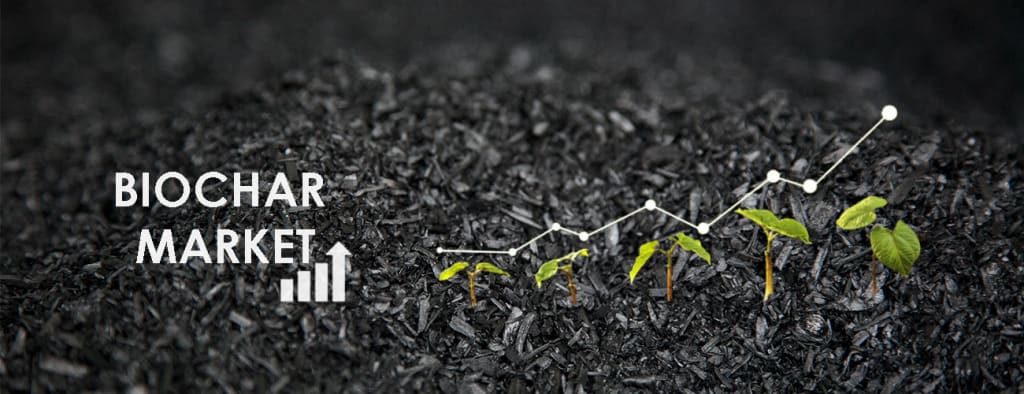
As climate change accelerates, humanity faces an urgent challenge: reducing atmospheric carbon dioxide (CO₂) levels while maintaining healthy ecosystems. One promising solution that has been gaining attention worldwide is biochar—a form of charcoal derived from biomass that can lock carbon in the soil for decades or even centuries. Beyond carbon removal, biochar improves soil health, enhances crop productivity, and even purifies water. This article explores how biochar works, its mature applications, real-world success stories, challenges, and future prospects.
What is Biochar?
Biochar is produced by pyrolyzing organic biomass—such as crop residues, wood chips, or agricultural waste—in a low-oxygen environment. This process converts volatile compounds into bio-oil and gas while leaving behind a stable carbon-rich solid.
Key Properties:
- High carbon content: Biochar is composed mainly of aromatic carbon, which resists decomposition.
- Porosity: Its sponge-like structure increases surface area, allowing it to retain water, nutrients, and beneficial microbes.
- Chemical stability: Biochar can persist in soil for decades or even centuries, effectively storing carbon.
In short, biochar transforms ordinary plant waste into a long-term carbon storage solution, simultaneously reducing CO₂ in the atmosphere and improving soil fertility.
How Biochar Removes Carbon
Biochar removes carbon through two primary mechanisms:
1. Stable Carbon Sequestration
The carbon in biochar is largely in aromatic forms that are resistant to microbial decomposition. Unlike fresh organic matter, which may release CO₂ quickly as it decays, biochar can remain in soil for decades, storing carbon effectively over the long term.
2. Enhancing Soil Carbon Retention
Biochar’s porous structure adsorbs organic molecules and nutrients, preventing them from leaching out of the soil. It also promotes microbial activity that stabilizes soil organic matter, indirectly locking more carbon in the ecosystem.
3. Indirect Climate Benefits
By improving soil fertility and water retention, biochar can enhance plant growth. Healthy plants absorb more CO₂ from the atmosphere, amplifying the carbon removal effect.
Real-World Applications of Biochar
Biochar is no longer just a laboratory curiosity. Its carbon removal capabilities have been demonstrated in multiple mature applications:
1. Agriculture
Adding biochar to farmland can:
- Improve soil structure and water retention
- Increase crop yields
- Store carbon for decades, reducing net greenhouse gas emissions from farming
For example, trials in sub-Saharan Africa and Southeast Asia have shown significant yield improvements for maize and rice when biochar is applied with compost.
2. Water Treatment
Biochar can adsorb contaminants such as:
- Organic pollutants
- Heavy metals
- Excess nutrients like nitrogen and phosphorus
This helps prevent eutrophication in rivers and lakes while indirectly lowering greenhouse gas emissions linked to water pollution.
3. Industrial Gas Capture
Certain biochars can capture CO₂ and volatile organic compounds from industrial exhaust streams. They provide a low-cost alternative to traditional carbon capture materials.
4. Building Materials
Incorporating biochar into construction materials, such as concrete or bricks, can:
- Store carbon for the life of the building
- Reduce building material weight
- Improve insulation properties
This approach turns buildings themselves into carbon storage systems.
Challenges Facing Biochar Deployment
Despite its promise, biochar faces several hurdles:
Feedstock variability
The carbon content and porosity of biochar vary depending on the source material and pyrolysis conditions. Standardizing production is crucial for reliable carbon sequestration.
Production costs
High-quality biochar production requires energy and equipment, making large-scale adoption expensive without subsidies or incentives.
Potential ecological impacts
Biochar produced by biochar pyrolysis equipment can alter soil pH and microbial communities. While often beneficial, these changes must be carefully managed to avoid unintended consequences.
Future Directions
Researchers and policymakers are working to expand biochar adoption through:
- Low-cost, energy-efficient pyrolysis technologies
- Customized biochar formulations for specific crops, soils, or climates
- Integration with carbon markets to provide financial incentives for farmers
- Combined approaches with urban waste management, forestry residues, and renewable energy systems
The ultimate goal is to create a carbon-negative cycle: capturing carbon from the atmosphere, storing it in soil and materials, and using biomass waste productively.
About the Creator
Bestonpyrolysis
Engaged in waste plastic/tyre/rubber recycling, oil sludge treatment, biomass recycling, sewage sludge management and paper recycling…
https://bestonpyrolysisplant.com/
Keep reading
More stories from Bestonpyrolysis and writers in Earth and other communities.
How to Determine If Your Biochar is High Quality: A Guide to the Key Indicators
Biochar production is surging in popularity, driven by its applications in agriculture, carbon sequestration, and industrial filtration. However, not all biochar is created equal. If you have just pulled a batch from your kiln or received a shipment from a supplier, how can you tell if it is actually high quality?
By Bestonpyrolysis16 days ago in Earth




Comments
There are no comments for this story
Be the first to respond and start the conversation.