
A Practical Guide to Finding, Treating, and Eliminating Bed Bugs for Good
Your Practical Roadmap to Identifying, Treating, and Permanently Eliminating Bed Bug Infestations

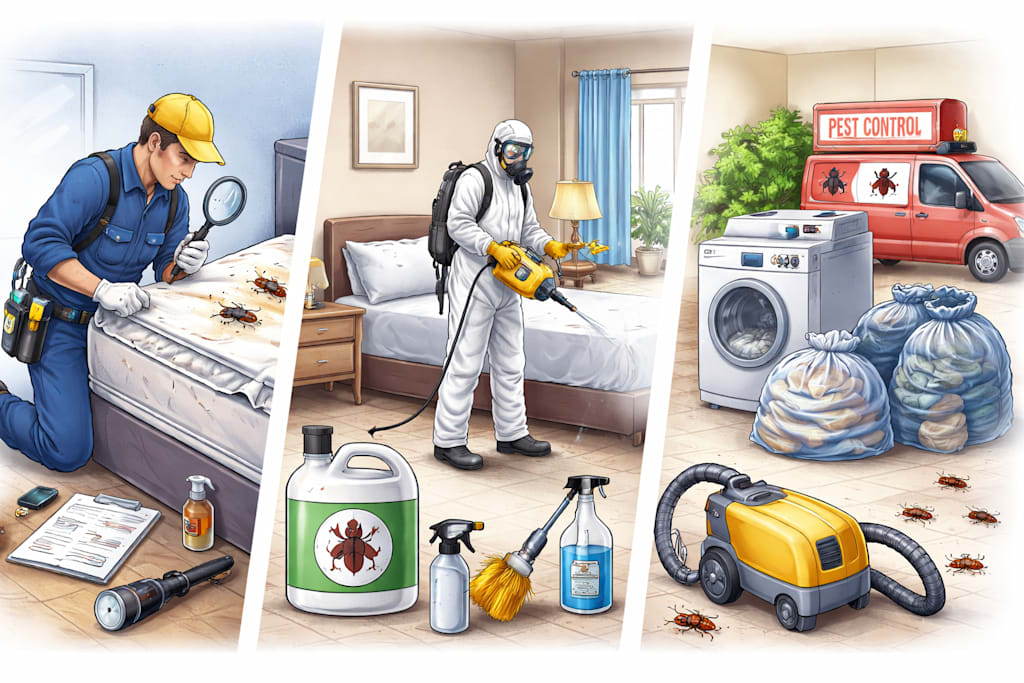
You wake up with itchy red marks on your arms. At first, you assume it’s just a mosquito bite or a skin reaction. But then it happens again. And again.
One night, you check your mattress closely and notice tiny rust-colored stains along the seams.
That’s usually the moment it clicks — this might be bed bugs.
If you’re dealing with this situation, you’re far from alone. Bed bugs have quietly made a comeback in homes, hotels, and apartments around the world. And unlike many other pests, they’re incredibly hard to eliminate without the right approach.
This guide breaks things down in a simple, practical way — how to identify bed bugs, what treatment options actually work, and what to expect if you bring in professional help.
What Is a Bed Bug Control Service?
A bed bug control service is a specialized pest treatment designed specifically to find and eliminate bed bugs completely.
This isn’t the same as general pest control. Bed bugs behave differently. They hide deep inside furniture, walls, and fabrics, and they reproduce quickly. That’s why basic sprays or DIY solutions often fail.
Bed bugs (scientifically called Cimex lectularius) are small, flat insects about the size of an apple seed. They feed on human blood, usually at night, and hide during the day in places like:
- Mattress seams
- Bed frames
- Sofas and chairs
- Behind wall outlets
- Inside cracks and crevices
Even worse, a single female can lay hundreds of eggs over time. That’s why a small problem can grow fast if ignored.
They don’t spread diseases, but they can seriously affect your sleep, comfort, and peace of mind.
Signs You Might Have Bed Bugs
Bed bugs are often mistaken for other issues at first. But there are a few signs that are hard to ignore once you know what to look for:
- Itchy bites in a line or cluster (especially on arms, neck, or legs)
- Small rust-colored stains on sheets or mattresses
- A slightly sweet, musty smell in the room
- Tiny white eggs or shed skins near mattress seams
- Live bugs in cracks, joints, or furniture folds
Many people only notice when the infestation has already spread. That’s why early detection matters so much.
What Happens During a Professional Inspection?
A professional inspection goes beyond a quick visual check.
An expert will carefully examine:
- Beds and mattresses
- Furniture and upholstery
- Baseboards and wall cracks
- Electrical outlets
- Adjacent rooms
In some cases, trained detection dogs are even used to locate hidden infestations.
The goal is simple: find every affected area, not just the obvious ones.
If you live in an apartment, inspections may extend to nearby units since bed bugs can travel through walls and pipes.
Bed Bug Treatment Options Explained
There’s no one-size-fits-all solution. The right treatment depends on how severe the infestation is and the layout of your home.
Here are the most common methods used:
1. Heat Treatment
This method raises the temperature of the space to levels that kill bed bugs and their eggs.
- Reaches deep into furniture and walls
- Chemical-free
- Often completed in one session
It’s one of the most effective options available.
2. Chemical Treatment
This involves applying professional-grade pesticides in targeted areas.
- Widely used and effective
- Requires multiple visits
- Works over time as eggs hatch
It’s a slower process, but reliable when done properly.
3. Steam Treatment
High-temperature steam kills bed bugs on contact.
- Great for mattresses and upholstery
- No chemical residue
- Usually used alongside other treatments
4. Freezing (Cryonite)
This method uses extreme cold to kill bed bugs instantly.
- Clean and residue-free
- Safe for sensitive environments
- Best used as part of a combined approach
What the Removal Process Looks Like
If you’ve never dealt with professional pest control before, here’s a simple breakdown of how it usually works:
- Inspection – Identify all affected areas
- Treatment Plan – Choose the right method
- Preparation – Cleaning, decluttering, and organizing
- Treatment Day – Application of heat or chemicals
- Follow-Ups – Additional visits if needed
- Final Check – Confirm the infestation is gone
The key thing to remember: bed bug removal is rarely a one-step fix (unless using heat treatment). Consistency matters.
Choosing the Right Professional Help
Not every pest control company handles bed bugs effectively. If you’re considering hiring help, look for:
- Proper licensing and certification
- Experience specifically with bed bugs
- Clear pricing and treatment plan
- A written guarantee or follow-up policy
- Real customer reviews
A good professional should be able to clearly explain why they’re choosing a specific treatment for your situation.
How Much Does Treatment Cost?
Costs vary depending on the severity and size of the space, but here’s a general idea:
- Heat treatment: higher upfront cost, usually one visit
- Chemical treatment: lower per visit, but multiple visits needed
- Whole-home treatment: can range widely based on size
While it might seem expensive, repeated DIY attempts often cost more in the long run — both financially and emotionally.
How to Prevent Bed Bugs in the Future
Once your home is clear, prevention becomes the priority.
Simple habits can make a big difference:
- Use protective mattress covers
- Check hotel beds when traveling
- Inspect second-hand furniture carefully
- Vacuum regularly
- Reduce clutter around sleeping areas
- Wash and dry bedding at high temperatures
If you live in shared housing, occasional inspections can also help catch problems early.
Common Questions
How do I confirm it’s bed bugs?
Look for a combination of signs — bites, stains, and physical evidence. A professional inspection is the most reliable way to be sure.
How long does treatment take?
Heat treatments can be completed in a day. Chemical treatments may take several weeks with follow-ups.
Do I need to leave my home?
Yes, in most cases — especially during heat or chemical treatments. Instructions vary depending on the method.
Can bed bugs come back?
They can, but usually only if reintroduced (through travel, furniture, etc.). Proper prevention reduces this risk significantly.
Final Thoughts
Dealing with bed bugs can feel overwhelming. The lack of sleep, constant worry, and frustration can take a real toll.
But the important thing to remember is this:
bed bugs are manageable — with the right approach.
The sooner you act, the easier it is to control the problem.
Ignoring it only gives them time to spread.
If you suspect something isn’t right, don’t wait too long. A proper inspection and a clear plan can save you weeks (or months) of stress.
About the Creator
Jamal Moore
Hi, I’m Jamal Moore, owner of Pest City USA! I provide expert pest control services in Detroit and surrounding areas, helping homeowners and businesses stay pest-free.
Keep reading
More stories from Jamal Moore and writers in 01 and other communities.
How a Local Exterminator Handles Rodent Infestations: Complete Rodent Control Guide
Rodent infestations are a common problem in both homes and businesses. Mice and rats can enter buildings through very small openings, contaminate food, damage property, and spread harmful diseases. Because rodents reproduce quickly, even a small problem can grow into a serious infestation in a short time. This is why professional rodent control is essential for protecting your property and health.
By Jamal Moore25 days ago in 01
The 2026 Gmail Hacking Bible: Inside the Mind of a Modern Hacker (And How to Fortify Your Inbox)
In the digital arena of 2026, your Gmail account is no longer just an email service; it is the master key to your digital life. It unlocks your YouTube channel, your Google Drive containing years of documents, your Google Photos history, and often, your banking and password manager through password resets. For a hacker, compromising a Gmail account is the "checkmate" move.
By Alexander Hoffmann3 days ago in 01



Comments
There are no comments for this story
Be the first to respond and start the conversation.